

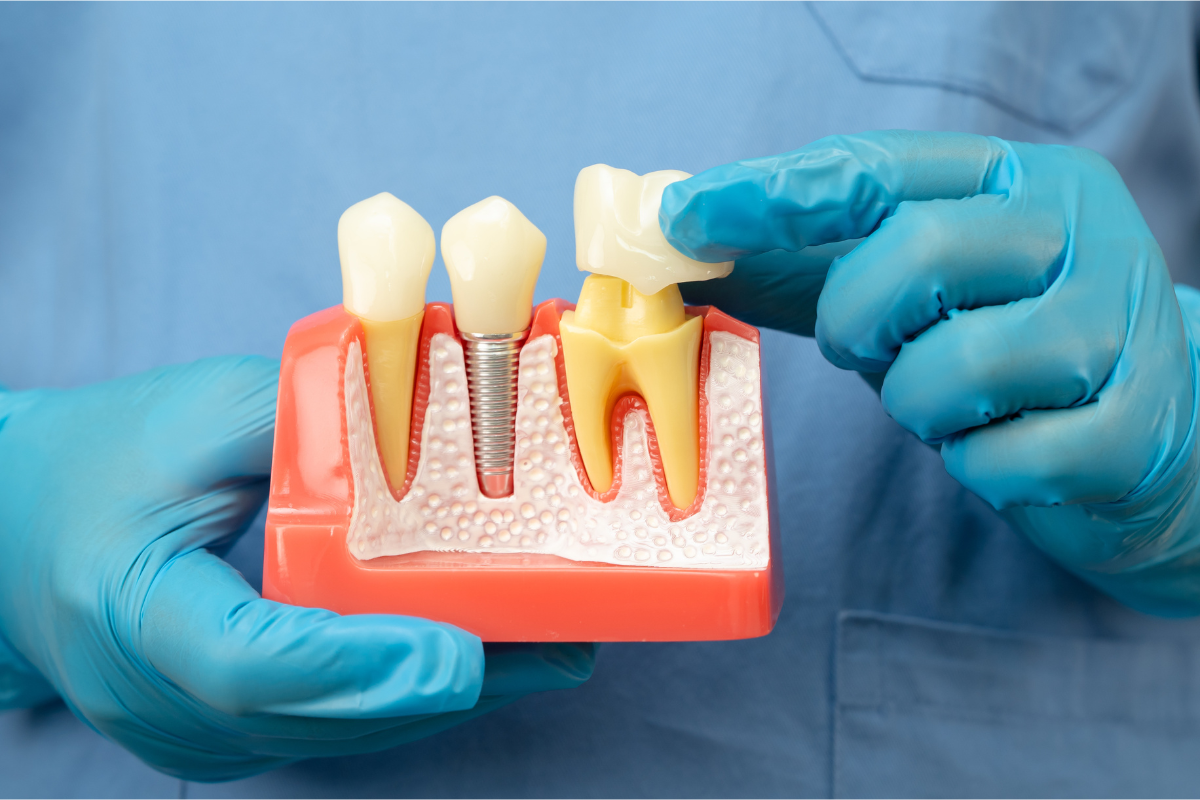
Signs you need a dental crown include persistent tooth pain, visible cracks, large fillings, severe wear, discoloration, or a tooth that has undergone a root canal. A dental crown is a protective cap placed over a damaged tooth to restore its strength, shape, and function.
What Is a Dental Crown?
A dental crown is a custom-made “cap” that covers a damaged or weakened tooth. It restores the tooth’s shape, size, and strength while protecting it from further damage.
Dentists commonly recommend crowns as part of tooth damage treatment when a filling alone isn’t enough to restore the tooth.
Why Would You Need a Dental Crown?
A dental crown is typically needed when a tooth becomes too weak or damaged to function normally.
Common reasons include:
- Structural weakness due to decay or trauma
- Protection after a root canal
- Reinforcement of a cracked or worn-down tooth
- Cosmetic improvement for discolored or misshapen teeth
In many cases, crowns prevent the need for tooth extraction by preserving natural tooth structure.
7 Signs You Need a Dental Crown to Protect a Damaged Tooth
1. Persistent Tooth Pain or Sensitivity
Ongoing pain when chewing or sensitivity to hot and cold may indicate internal damage. When the tooth structure is compromised, a crown helps seal and protect it.
2. Visible Cracks or Fractures (Cracked Tooth Symptoms)
Cracks may appear as lines on the enamel or cause pain when biting.
Common cracked tooth symptoms include:
- Sharp pain when chewing
- Intermittent discomfort
- Sensitivity to temperature changes
A crown holds the tooth together and prevents the crack from worsening.
3. Large Filling That’s Failing
If more than half of your tooth is filled, the remaining structure may not be strong enough.
A crown provides full coverage and reduces the risk of fracture compared to replacing large fillings repeatedly.
4. Severe Tooth Wear or Grinding Damage
Teeth worn down from grinding (bruxism) or acid erosion lose their natural shape and strength.
A dental crown restores proper bite alignment and prevents further wear.
5. Tooth After a Root Canal
After a root canal, the tooth becomes brittle and more prone to breaking.
A crown is often recommended to protect and extend the life of the treated tooth.
6. Discoloration or Cosmetic Damage
Severely stained or misshapen teeth that don’t respond to whitening may benefit from a crown.
Unlike veneers, crowns cover the entire tooth and provide both functional and cosmetic improvement.
7. Broken or Chipped Tooth
A chipped or broken tooth can worsen over time if left untreated.
Crowns restore the tooth’s structure and prevent additional damage, especially when bonding isn’t sufficient.
When Is a Dental Crown Required Instead of a Filling?
A crown is usually required when:
- The tooth has extensive structural loss
- Cracks extend beyond the surface
- Repeated fillings have weakened the tooth
- There is a risk of fracture under normal chewing forces
Quick comparison:
- Filling: Repairs small areas
- Crown: Covers and protects the entire tooth
Not sure which treatment is right for you?
Call us today to get expert advice from our dental specialists and choose the best option for your smile.
What Happens During the Dental Crown Procedure?
Step-by-Step Process:
1. Examination and Diagnosis
The dentist evaluates tooth damage using X-rays.
2. Tooth Preparation
The tooth is reshaped to make room for the crown.
3. Impressions Taken
A mold or digital scan ensures a precise fit.
4. Temporary Crown Placement
A temporary crown protects the tooth while the permanent one is made.
5. Final Crown Placement
The custom crown is bonded securely in place.
Benefits of Getting a Dental Crown
- Restores tooth strength and durability
- Protects against further damage
- Improves chewing function
- Enhances appearance
- Long-lasting solution for damaged teeth
Are There Any Risks or Downsides?
Dental crowns are generally safe, but some considerations include:
- Temporary sensitivity after placement
- Risk of crown loosening (rare)
- Need for replacement over time (typically 10–15 years)
Proper oral hygiene significantly reduces complications.
Aftercare Tips for Dental Crowns
To extend the life of your crown:
- Brush twice daily with fluoride toothpaste
- Floss around the crown carefully
- Avoid chewing hard objects (ice, pens)
- Wear a nightguard if you grind your teeth
- Schedule regular dental checkups
When Should You See a Dentist in San Pedro?
If you notice any of the signs above, it’s best to get an evaluation before the damage worsens.
Patients in San Pedro often delay treatment until discomfort increases—but early intervention can prevent more complex procedures.
A dental exam can determine whether a crown or another tooth damage treatment is the most appropriate option. If you’re unsure which provider to visit, our guide on choosing a dental clinic in San Pedro, CA offers 8 smart tips to find a clinic that supports lifelong oral health.
FAQs: Signs You Need a Dental Crown
How do I know if I need a crown instead of a filling?
If the damage affects a large portion of the tooth or weakens its structure, a crown is typically recommended over a filling.
Do dental crowns hurt?
The procedure is usually comfortable with local anesthesia. Mild soreness may occur afterward but resolves quickly.
How long does a dental crown last?
Most crowns last 10–15 years or longer with proper care.
Can a cracked tooth heal without a crown?
No. Cracked teeth do not heal on their own and often worsen without protective treatment like a crown.
Is a crown necessary after a root canal?
In many cases, yes. A crown helps prevent the treated tooth from breaking.
What happens if I delay getting a crown?
Delaying treatment can lead to further damage, infection, or even tooth loss.
Are dental crowns permanent?
Crowns are long-lasting but may need replacement after several years.
What materials are dental crowns made from?
Common materials include porcelain, ceramic, metal, or a combination, depending on the tooth’s location and function.
Final Thoughts
Recognizing the signs you need a dental crown early can help preserve your natural tooth and prevent more serious complications. While not every damaged tooth requires a crown, timely evaluation ensures the right treatment approach.
If you’re experiencing symptoms, consider scheduling an exam with a local dental provider in San Pedro to understand your options.