
You finally did it.
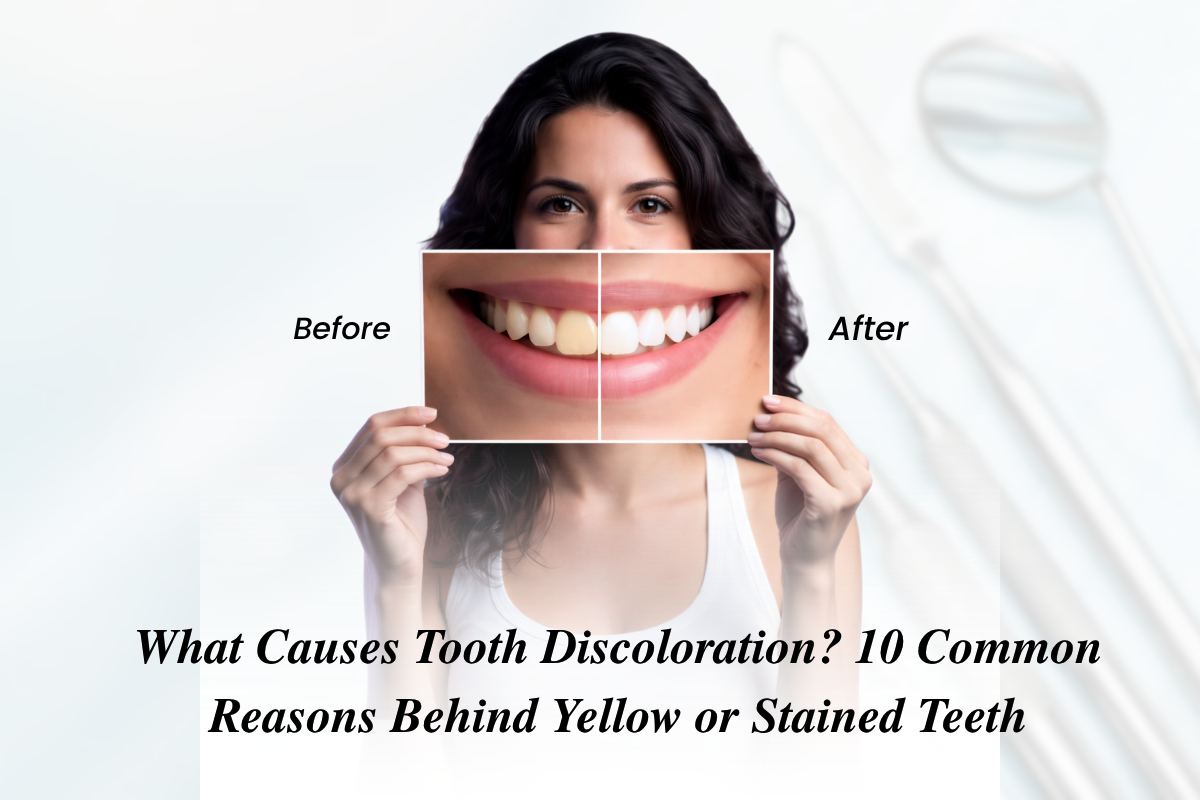
After years of coffee, wine, tea, or simply watching your smile lose some of its brightness, you decided to whiten your teeth. The results looked amazing. Your teeth appeared cleaner, brighter, and more youthful.
Then a few months passed.
One morning you glanced in the mirror and thought:
“Wait… weren’t my teeth whiter than this?”
It’s one of the most common questions patients ask about teeth whitening and the answer surprises many people.
Yes, yellow teeth can come back after whitening.
But that doesn’t necessarily mean the treatment failed.
Understanding why it happens can help you protect your investment, maintain your results longer, and make smarter decisions about your smile appearance moving forward.
Can Teeth Become Yellow Again After Whitening?
Short Answer: Yes.
Teeth whitening removes many of the stains that have accumulated on the enamel. However, it does not permanently prevent new stains from forming. Think of whitening like professionally cleaning a white shirt.
The stains are removed, but the shirt can still get dirty again if exposed to the same things that caused discoloration in the first place.
That means whitening improves the appearance of your teeth, but maintaining those results requires ongoing attention to oral hygiene and lifestyle habits.
Why Teeth Start Looking Yellow Again
Several factors can gradually darken teeth after whitening.
1. Everyday Foods and Drinks
Some of the biggest culprits include:
- Coffee
- Tea
- Red wine
- Cola
- Sports drinks
- Dark berries
- Tomato-based sauces
- Soy sauce
These foods contain pigments called chromogens that can attach to tooth enamel and create visible staining over time.
Many patients are surprised that their daily coffee habit can slowly reverse whitening results without them even noticing.
2. Natural Aging
Even patients with excellent oral hygiene experience gradual color changes.
As we age:
- Enamel naturally becomes thinner
- The yellow dentin underneath becomes more visible
- Teeth may appear darker despite being healthy
This process is normal and happens regardless of whether you’ve had whitening treatment in the past.
3. Smoking and Tobacco Use
Few habits discolor teeth faster than tobacco.
Smoking can lead to:
- Deep yellow stains
- Brown discoloration
- Increased plaque buildup
- Gum disease risks
Patients who continue smoking after whitening often notice color changes much sooner than non-smokers.
4. Inconsistent Oral Hygiene
Daily brushing and flossing do more than protect against tooth decay.
They also help remove stain-causing particles before they settle into the enamel.
When oral hygiene habits become inconsistent, discoloration can return faster.
5. Certain Medications and Health Factors
Some medications and medical conditions can influence tooth color over time.
Examples may include:
- Certain antibiotics
- Blood pressure medications
- Dry mouth conditions
- Excessive fluoride exposure during tooth development
A dentist can help determine whether underlying factors are contributing to ongoing discoloration.
Want to understand exactly why teeth become yellow in the first place? Some causes are lifestyle-related, while others are linked to aging, enamel changes, medications, and oral health conditions. Read our guide on What Causes Tooth Discoloration? 10 Common Reasons Behind Yellow or Stained Teeth to learn what may be affecting your smile and whether whitening is the right solution.
How Long Does Teeth Whitening Usually Last?
There isn’t a single answer because every smile is different.
Generally:
| Whitening Type | Typical Longevity |
| Professional in-office whitening | 1–3 years |
| Custom take-home trays | Several months to 2 years |
| Over-the-counter products | Several weeks to months |
Results depend heavily on:
- Diet
- Smoking habits
- Oral hygiene
- Enamel condition
- Frequency of maintenance touch-ups
Patients who follow maintenance recommendations often enjoy noticeably longer-lasting results.
The Part Most People Don’t Know About Whitening
Here’s the detail many online articles leave out:
Whitening Doesn’t Change the Structure of Your Teeth
Whitening treatments lighten stain molecules within the tooth.
They do not:
- Replace enamel
- Create permanent whitening
- Make teeth stain-proof
That’s why the question isn’t whether teeth can become yellow again.
The better question is:
How quickly will new staining occur based on your habits?
This is where professional guidance makes a significant difference.
Signs Your Whitening Results May Be Fading
Watch for subtle changes such as:
- Teeth looking dull in photographs
- More yellow tones near the gumline
- Uneven color between teeth
- Increased discoloration around dental crowns
- Reduced brightness compared to immediately after treatment
Addressing fading early often requires less maintenance than waiting years before seeking another whitening treatment.
How to Keep Teeth Whiter for Longer
Follow the First 48-Hour Rule
Immediately after whitening, teeth are more susceptible to staining.
Many dentists recommend temporarily avoiding:
- Coffee
- Tea
- Red wine
- Dark-colored foods
- Tobacco products
This short period can help protect initial results.
Use a Straw When Possible
For staining beverages, a straw can reduce direct contact with front teeth.
It’s a simple habit that may help slow future discoloration.
Maintain Consistent Dental Cleanings
Professional cleanings remove plaque and surface stains that regular brushing cannot always eliminate.
Routine visits also allow your dentist to monitor changes in enamel, gum health, and overall oral health.
Consider Periodic Touch-Ups
Many patients benefit from occasional whitening maintenance.
Rather than waiting until teeth become noticeably yellow again, small touch-ups can help preserve a brighter smile over time.
Why Whitening Is Still One of the Most Popular Cosmetic Dental Treatments
Despite the possibility of future staining, whitening remains one of the most requested cosmetic procedures because it offers meaningful improvements with relatively little disruption.
Common Teeth Whitening Benefits
- Brighter smile appearance
- More youthful-looking teeth
- Improved confidence in photos
- Enhanced first impressions
- Non-invasive cosmetic improvement
- Fast visible results
For many patients, whitening is the simplest way to refresh their smile without undergoing more extensive cosmetic dentistry procedures.
Many patients also wonder whether professional whitening is actually worth it compared to products found at drugstores. While both options can brighten teeth to some degree, the results, safety considerations, and longevity can be very different. Learn more in our article Professional Teeth Whitening Benefits: Is It Really Better Than Store-Bought Kits in San Pedro?
Patient Trust & Experience
When patients visit Andrew C. Sheng DMD for whitening consultations, many are looking for more than cosmetic improvements they want honest guidance about maintaining long-term results and protecting their oral health.
That commitment to personalized care is reflected in feedback from patients like Philip M., who shared this recent Google review:
⭐⭐⭐⭐⭐- Philip Martin
“Excellent as always. Susan is the most knowledgeable hygienist ever. Dr. Bracco found that my implant was a bit loose and will need tightening. I am very happy with their care.”
Reviews like this highlight something that matters beyond a brighter smile: thorough examinations, attention to detail, and a team that helps patients stay proactive about their dental health.
Read more Google reviews to see what patients are saying about their experiences with our team.
Meet Your Dentist

Meet Dr. Andrew C. Sheng
Dr. Andrew C. Sheng focuses on helping patients achieve healthier, more confident smiles through personalized dental care and clear communication.
Whether you’re exploring whitening for the first time or wondering why previous results seem to be fading, Dr. Sheng can help you understand your options and create a maintenance plan that fits your lifestyle. Meet Dr. Sheng and learn more about your treatment options during a consultation. Schedule a consultation now!
When It’s Time to Talk to a Dentist About Discoloration
Not all yellowing is caused by surface stains.
Sometimes discoloration may be associated with:
- Enamel wear
- Internal tooth staining
- Previous dental trauma
- Aging restorations
- Tooth decay
If whitening products no longer seem effective, a professional evaluation can identify the underlying cause and determine the most appropriate treatment.
Patients from San Pedro and nearby communities often discover that cosmetic concerns sometimes reveal broader oral health issues worth addressing early.
If you’re noticing persistent discoloration or are unsure why your teeth are becoming yellow again, call us today. The team at Andrew C. Sheng DMD can evaluate your smile, identify the cause of the discoloration, and help you explore the most appropriate options for achieving a healthier, brighter-looking smile.
Frequently Asked Questions
Can yellow teeth become white again after years of staining?
In many cases, yes. Professional whitening can significantly reduce years of accumulated staining. However, results vary based on enamel condition and the cause of discoloration.
How long do professional whitening results last?
Most patients enjoy results ranging from one to three years, depending on lifestyle habits and maintenance.
Does coffee ruin whitening results?
Coffee doesn’t instantly ruin whitening, but regular consumption can gradually contribute to new staining over time.
Are yellow teeth always caused by poor oral hygiene?
No. Aging, genetics, medications, enamel thickness, and dietary habits can all influence tooth color.
Can whitening damage enamel?
When performed appropriately under professional guidance, whitening treatments are generally considered safe for enamel.
Why do my teeth look yellow near the gums?
Plaque buildup, tartar accumulation, or natural tooth anatomy may contribute to discoloration in this area.
Is professional whitening better than store-bought products?
Professional treatments often provide stronger, more predictable results and customized recommendations based on your dental health.
Ready to Keep Your Smile Looking Brighter for Longer?
A brighter smile isn’t just about whitening treatment it’s about understanding what causes discoloration to return and how to protect your results.
If you’ve noticed your teeth becoming yellow again, or you’re considering whitening for the first time, the team at Andrew C. Sheng DMD can help you explore your options and develop a personalized plan for maintaining a healthy-looking smile.
See what patients are saying on Google reviews, learn more about your treatment choices, and schedule a consultation to discuss your smile goals.