If you’ve ever wondered, does teeth whitening cause sensitivity? Here’s what dentists do in San Pedro to help — you’re asking the right question. Sensitivity is one of the most common concerns patients raise before starting a whitening treatment. The good news is that it’s manageable, predictable, and often preventable with the right approach. Dr. Andrew Sheng at Andrew C. Sheng DMD helps San Pedro patients whiten safely and comfortably every day.
Why Does Teeth Whitening Cause Sensitivity in the First Place?
Whitening products use peroxide-based bleaching agents to break apart stain molecules inside your enamel. This process temporarily opens the tiny tubules inside your teeth. Those tubules connect to the nerve, which is why some patients feel a zingy or sharp sensation after treatment.
The degree of sensitivity depends on several factors. Patients with naturally thinner enamel or existing gum recession tend to feel it more intensely. Pre-existing conditions like cracked teeth or decay can also amplify the sensation. That’s why a proper dental evaluation before whitening matters so much.
Sensitivity from whitening is almost always temporary. It typically peaks within 24 to 48 hours after treatment and then fades on its own. Understanding this timeline helps patients feel less anxious about the process.
What Dentists in San Pedro Do to Minimize Whitening Sensitivity
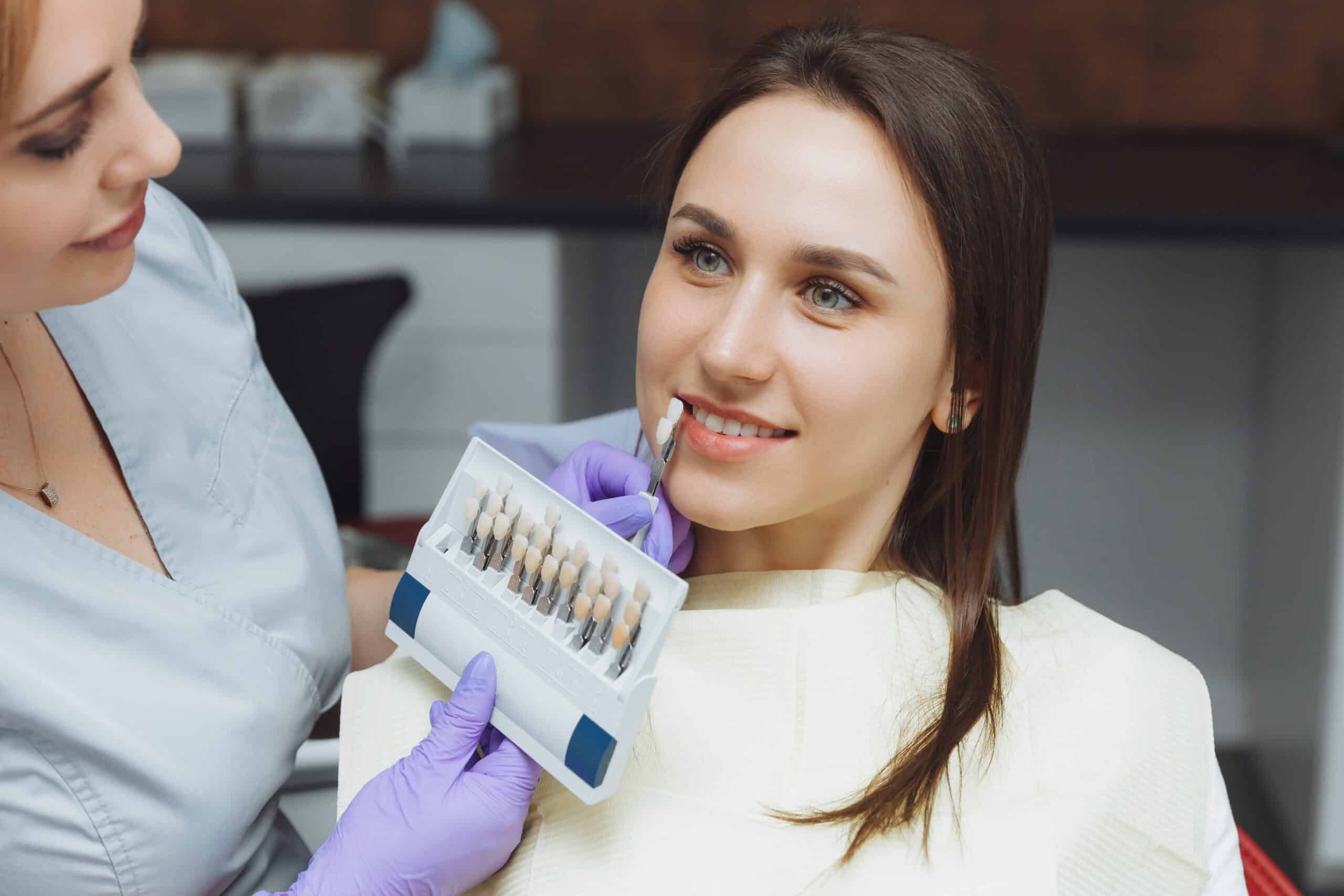
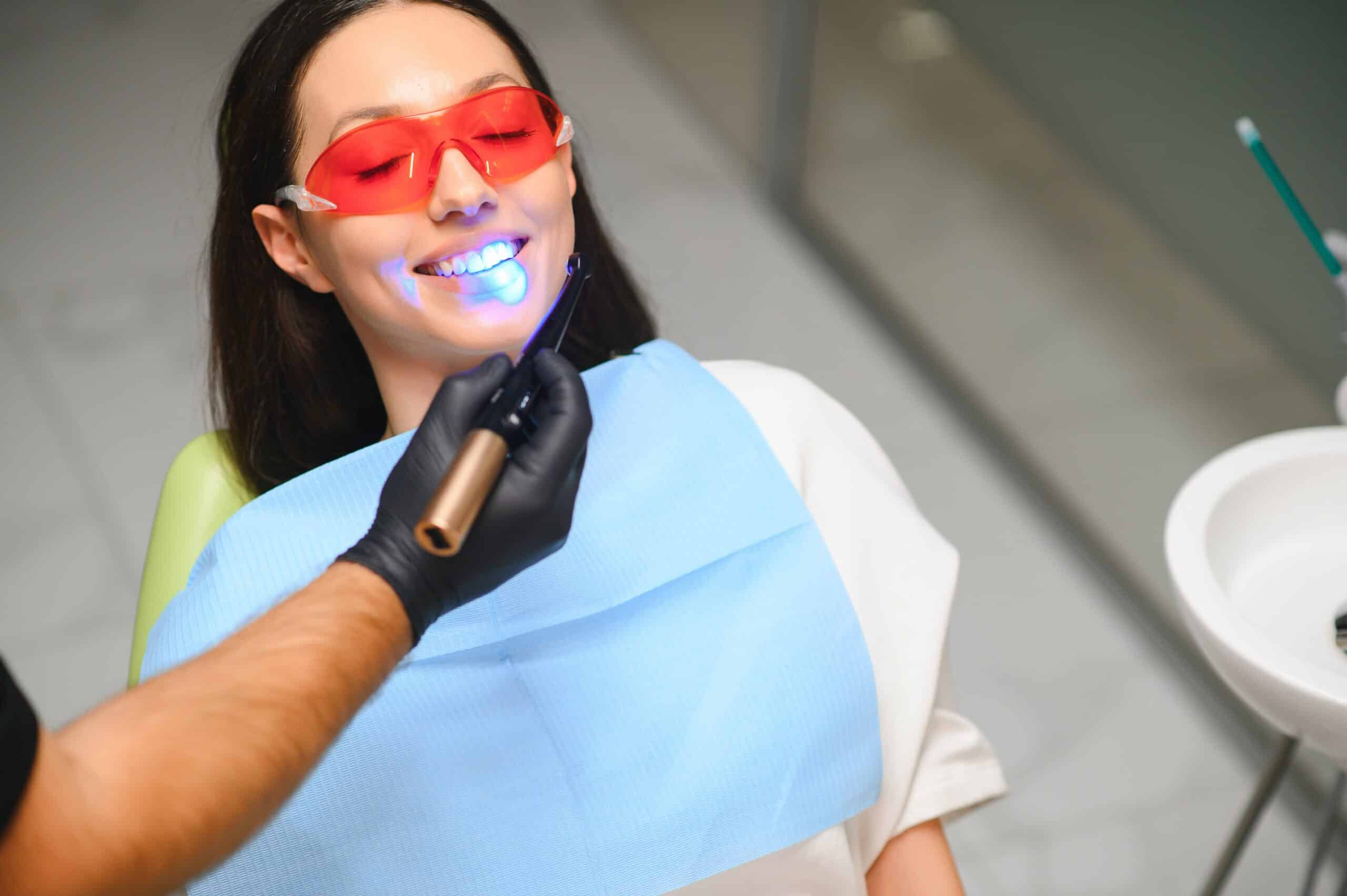
Professional whitening in a dental office is far more controlled than store-bought kits. Dr. Sheng carefully evaluates each patient’s oral health before recommending any whitening approach. This step alone dramatically reduces the risk of unwanted sensitivity.
Here are the key steps dentists use to protect your comfort during whitening:
- Pre-treatment fluoride application — Fluoride strengthens enamel and reduces nerve response before bleaching begins.
- Desensitizing gels — Applied before or after the whitening agent, these gels calm nerve endings quickly.
- Custom-fitted trays — Properly fitted trays prevent the bleaching gel from touching your gums and causing irritation.
- Lower-concentration peroxide options — Dentists can adjust the strength of the whitening gel to suit sensitive patients.
- Staged treatment sessions — Spreading sessions out over time gives enamel a chance to recover between appointments.
These professional strategies make a significant difference compared to over-the-counter strips. Store-bought products use one-size-fits-all trays and fixed gel concentrations, offering no personalization. A dental office gives you oversight, adjustments, and professional-grade care throughout the process.
Teeth whitening is a core part of our Cosmetic Dentistry San Pedro services at Andrew C. Sheng DMD. Every whitening case is assessed individually to match your goals and your sensitivity level.
What You Can Do at Home to Reduce Sensitivity After Whitening
Your habits at home play a big role in how comfortable your whitening experience feels. Dr. Sheng always gives patients a clear aftercare plan alongside their professional treatment. Following these steps makes the post-whitening period much more manageable.
Try these simple strategies to ease sensitivity after your appointment:
- Switch to a sensitivity toothpaste — Formulas containing potassium nitrate or stannous fluoride help block nerve signals effectively.
- Avoid extreme temperatures — Hot coffee, iced drinks, and cold foods can trigger sensitivity more sharply right after whitening.
- Skip highly acidic foods — Citrus fruits, vinegar-based foods, and soda can irritate freshly whitened teeth temporarily.
- Use a soft-bristled toothbrush — Firm bristles can aggravate sensitive enamel and inflamed gum tissue after bleaching.
- Take over-the-counter pain relief if needed — Anti-inflammatory medications like ibuprofen can reduce nerve-related discomfort for the first day or two.
Starting a sensitivity toothpaste two weeks before your whitening appointment can also make a big difference. Many dentists recommend this as a proactive step. Ask Dr. Sheng which product suits your specific needs best.
Is Teeth Whitening Safe If You Already Have Sensitive Teeth?
Yes — but it requires a more careful approach. Patients who already experience sensitivity don’t have to give up on a brighter smile. They simply need a customized plan designed around their unique needs.
Dr. Sheng will examine your teeth thoroughly before recommending any whitening method. If sensitivity stems from underlying decay or enamel erosion, those issues get addressed first. Treating the root cause protects you and improves the effectiveness of your whitening results.
In some cases, patients with significant sensitivity do better with alternative cosmetic options. Treatments like dental veneers or bonding can create a dramatically whiter appearance without any bleaching. Discussing your goals openly helps Dr. Sheng recommend the right path for you.
If you have existing dental concerns, our Restorative Dentistry San Pedro services can often address them before or alongside your cosmetic goals. A healthy foundation always makes cosmetic results last longer and feel better.
How Long Do Whitening Results Last — and Does Sensitivity Return?
Professional whitening results typically last between one and three years. The exact timeline depends on your diet, oral hygiene habits, and lifestyle factors like coffee or tea consumption. Touch-up treatments can extend your results without repeating a full course of bleaching.
Sensitivity does not usually return between whitening sessions. Once the enamel tubules close back up after treatment, your teeth return to their baseline sensitivity level. Only active bleaching reopens those pathways temporarily.
If sensitivity persists beyond 72 hours after whitening, contact your dentist promptly. Prolonged sensitivity can signal an underlying issue that needs attention. Catching it early keeps a minor concern from becoming a bigger problem.
Conclusion: Whiter Teeth Without the Worry in San Pedro
Sensitivity after teeth whitening is real, but it’s also manageable. Understanding why it happens helps patients feel informed and confident going into treatment. With professional guidance from Dr. Andrew Sheng, you can achieve a brighter smile while keeping discomfort to a minimum.
San Pedro patients deserve personalized care that respects both their aesthetic goals and their comfort. Andrew C. Sheng DMD takes every whitening case seriously and tailors each treatment to the individual. You don’t have to choose between a whiter smile and comfortable teeth — you can have both.
Ready to explore safe, professional teeth whitening in San Pedro? Book Now to schedule your appointment with our team.
Frequently Asked Questions
Does professional teeth whitening hurt more than over-the-counter whitening strips?
Not necessarily. Professional whitening is actually more controlled than store-bought strips. Dentists use custom trays, desensitizing gels, and adjustable gel concentrations to reduce discomfort. Many patients find professional whitening less irritating than strips because of this personalized approach.
How long does tooth sensitivity last after a whitening treatment?
Sensitivity from professional whitening typically lasts 24 to 48 hours after treatment. In most cases, it resolves completely within a few days. If sensitivity continues beyond 72 hours, it’s best to contact your dentist to rule out any underlying dental issue.
Can I whiten my teeth if I have crowns, veneers, or fillings?
Whitening agents only work on natural tooth enamel. They do not change the color of crowns, veneers, or fillings. If you have visible dental restorations, your dentist can help you plan a whitening approach that keeps your overall smile looking consistent and natural.
What is the best toothpaste to use after teeth whitening?
Dentists commonly recommend toothpastes formulated with potassium nitrate or stannous fluoride for post-whitening sensitivity. These ingredients help calm nerve endings inside the tooth. Using a sensitivity toothpaste for two weeks before your appointment can also reduce how much sensitivity you experience during treatment.
How often can I safely whiten my teeth without damaging my enamel?
Most dental professionals recommend professional whitening no more than once or twice per year. Overuse of bleaching agents can weaken enamel over time. Dr. Sheng will guide you on a safe whitening schedule based on your current enamel health and cosmetic goals.