

You probably wouldn’t panic over a tooth that looks slightly different from last year.
Maybe one front tooth seems a little shorter. A small space has appeared between two teeth. Your gums look slightly lower in one area. Or a tooth that used to feel perfectly smooth now has a tiny rough edge.
None of these changes necessarily means something is seriously wrong.
But here’s the part many people miss: your mouth can show subtle signs of changing long before a dental problem becomes painful or obvious.
These early oral changes can sometimes be related to enamel wear, plaque buildup, tooth decay, gum disease, bite changes, grinding, or natural aging. Catching them early can give you more options for protecting your natural teeth.
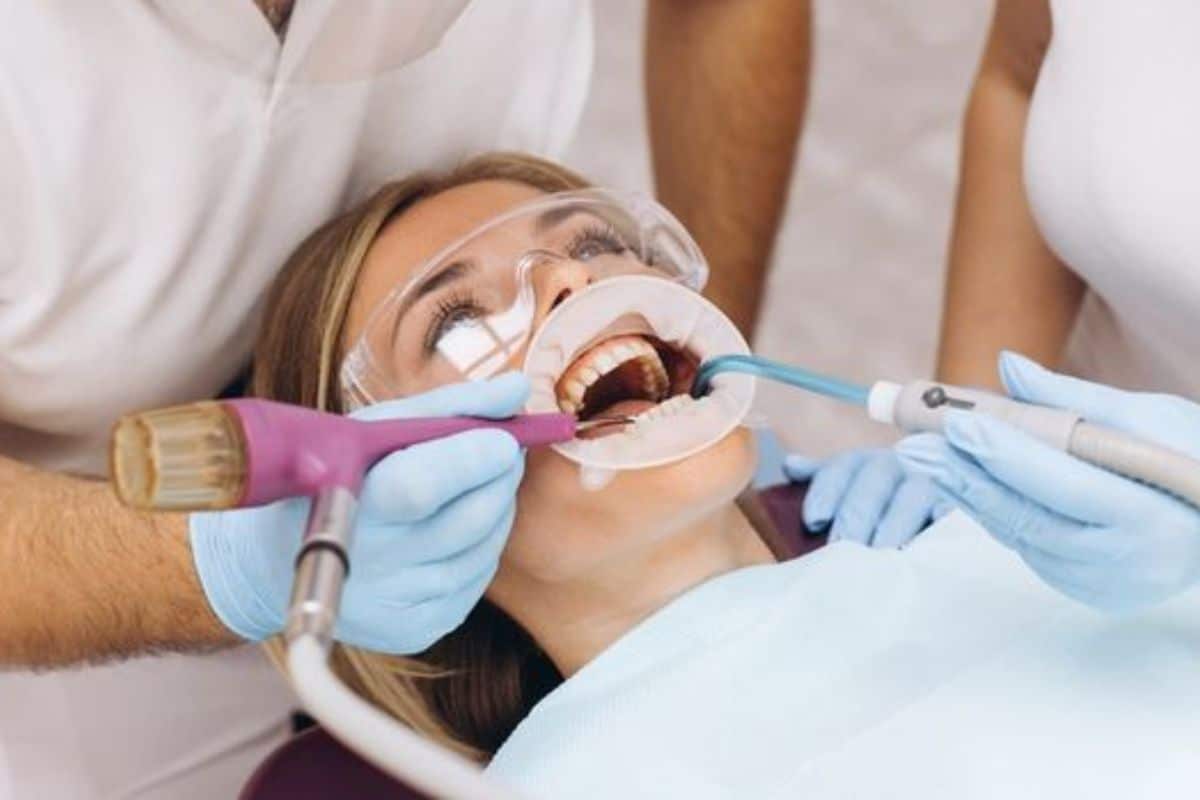
Dental professionals are trained to recognize these subtle changes before they become more noticeable or begin affecting your oral health. During routine exams, they don’t just look for cavities—they evaluate your teeth, gums, bite, and existing dental work for small differences that could signal developing issues.
For patients in San Pedro, that makes regular dental examinations about more than checking for cavities. They’re an opportunity to notice the small details you may not see in the bathroom mirror.
What Are Early Oral Changes?
Early oral changes are small differences in the appearance, position, texture, color, or function of your teeth and gums that may indicate developing changes in your oral health. They can include subtle tooth shifting, enamel wear, gum recession, new discoloration, changes in bite, or small surface defects.
Some are harmless. Others deserve professional evaluation.
The challenge is knowing the difference.
7 Tiny Tooth Changes You May Notice Too Late
Your teeth don’t always announce a problem with pain.
Sometimes, they simply start looking or feeling a little different.
1. A Tooth Looks Slightly Shorter
Compare an old photo of your smile with a recent one.
Do any teeth appear shorter?
Gradual changes in tooth length can occur for several reasons, including:
- Everyday enamel wear
- Teeth grinding or clenching
- Acid erosion
- Certain biting habits
- Changes in the way your teeth meet
You may not notice the change day to day because it happens gradually.
But months or years of small amounts of wear can eventually affect the shape of the tooth, your smile appearance, or your bite.
A useful clue: If your front teeth look flatter than they used to, or you notice small translucent areas along the edges, mention it at your next dental examination.
2. A Small Gap Appears Between Your Teeth
Your teeth may look perfectly straight for years and then suddenly seem to have a little more space between them.
A new gap doesn’t automatically mean there’s a serious problem.
Teeth can shift for many reasons, including normal changes over time. However, movement can sometimes occur alongside gum or bone changes.
This is particularly worth paying attention to when the spacing is new or continues to increase.
Tooth Movement: When Is It Worth Checking?
| Change | What it may mean |
|---|---|
| Long-standing small gap | May simply be your natural tooth spacing |
| New gap | Worth mentioning at a dental visit |
| Increasing spacing | May warrant evaluation of gums, bite, and supporting structures |
| Tooth feels loose | Should be evaluated promptly |
A dentist can look beyond the visible gap and assess the surrounding gums, bone, bite alignment, and tooth stability.
3. Your Teeth Feel Rougher Than Before
Run your tongue over your teeth.
Do they still feel smooth?
A rough patch may be something as simple as plaque or tartar buildup. But changes in the tooth surface can also be associated with enamel wear, a small chip, an aging restoration, or tooth decay.
Because your tongue is extremely sensitive to texture, it can sometimes detect a change before you see it.
Don’t repeatedly scrape or pick at the area yourself.
If the roughness persists after brushing, bring it up during your next examination.
Another subtle change people often overlook is food repeatedly getting trapped between the same teeth. While it can sometimes be harmless, it may also point to changes in tooth shape, spacing, existing dental work, or gum health. Read our article, “Why Does Food Keep Getting Stuck in the Same Spot?” to learn what may be causing it.
4. One Tooth Is Becoming More Yellow, Gray, or Dark
Teeth naturally change color with age.
Coffee, tea, tobacco, certain foods, and normal aging can contribute to discoloration. But a single tooth changing color differently from the surrounding teeth deserves attention.
Possible causes can include:
- Surface staining
- Changes in enamel
- Previous dental work
- Trauma
- Tooth decay
- Changes within the tooth
The important question isn’t simply, “How white are my teeth?”
It’s “Why did this tooth change?”
That distinction matters when deciding whether cosmetic care, preventive treatment, restorative dentistry, or simply observation is appropriate.
5. Your Gums Look Slightly Different
Gum changes can be easy to overlook because they often develop slowly.
You might notice that:
- A tooth appears longer
- More of the tooth seems visible near the gumline
- The gumline looks uneven
- A previously hidden area of the tooth is now exposed
- Your gums bleed more often when brushing or flossing
Gum recession can have several causes, including periodontal disease, aggressive brushing, tooth position, and other factors.
It isn’t something you should try to diagnose from a mirror alone.
A dental professional can evaluate the gum tissue and determine whether the change is stable or requires treatment.
6. Your Bite Feels Slightly Different
Here’s a change many people notice but rarely think much about.
Your teeth don’t seem to come together the same way.
Maybe one tooth hits first when you bite. Maybe your jaw feels different when chewing. Perhaps you find yourself chewing more on one side.
These can be subtle bite alignment changes.
Changes in tooth position, restorations, tooth wear, missing teeth, orthodontic movement, and other factors can influence how your upper and lower teeth meet.
A changing bite isn’t automatically dangerous.
But if the difference is new or becoming more noticeable, it’s worth discussing with your dentist.
If only one tooth suddenly feels different—whether it feels taller, rougher, more sensitive, or seems to hit first when you bite—it can be worth having it evaluated. Learn more in our guide, “One Tooth Suddenly Feels Different? Here’s What It Could Mean (and When to Get It Checked in San Pedro).“
7. A Tiny Chip or Edge Change Appears
A small chip can seem purely cosmetic.
You may think:
“It’s barely noticeable, so I’ll just leave it.”
Sometimes that’s perfectly reasonable.
But the reason the tooth chipped matters.
A small chip may result from an isolated accident. In other cases, repeated stress, grinding, weakened tooth structure, or an existing restoration may contribute.
Your dentist can examine the tooth and determine whether it simply needs monitoring or whether the underlying structure needs attention.
Why Small Tooth Changes Matter Even When They Don’t Hurt
Pain is not a reliable early-warning system for dental problems.
Some dental conditions can develop with few noticeable symptoms. That’s why preventive dental care includes regular examinations even when your teeth feel normal.
A small change may be easier to address when:
- Less tooth structure is affected
- The problem is identified before it progresses
- Treatment options remain more conservative
- Your bite can be monitored over time
- Gum health can be protected
- Your natural teeth can be preserved
This doesn’t mean every tiny change requires treatment.
In fact, sometimes the best professional recommendation is simply to monitor it.
That is one of the benefits of having changes documented over time.
Early Oral Changes vs. Changes That Need Prompt Attention
Not every difference requires an emergency visit. But some signs shouldn’t be ignored.
| What you notice | What to do |
|---|---|
| Minor cosmetic change with no other symptoms | Mention it at your next exam |
| New tooth sensitivity | Schedule an evaluation if it persists or worsens |
| Increasing tooth movement | Arrange a dental evaluation |
| New or worsening gum changes | Have your gums examined |
| A persistent rough or damaged area | Ask your dentist to evaluate it |
| A new bite change | Mention it during an appointment |
| Facial swelling, significant bleeding, or severe dental symptoms | Seek prompt dental care |
The goal isn’t to become worried about every change.
It’s to become observant without becoming anxious.
What Can Cause These Subtle Tooth Changes?
Early tooth changes can have many possible causes.
Enamel wear
Enamel is the hard outer layer of your teeth. Over time, mechanical forces and acids can contribute to enamel loss.
Tooth decay
Decay doesn’t always begin as a dramatic cavity. Early changes may be subtle and difficult to identify yourself.
Gum disease
Changes in gum tissue and supporting structures can affect how your teeth look, feel, and function.
Teeth grinding and clenching
Repeated pressure can contribute to flattened edges, cracks, sensitivity, and changes in tooth surfaces.
Bite changes
Changes in tooth position or wear can alter how your upper and lower teeth contact one another.
Aging
Your smile naturally changes over time. Teeth may become darker, wear slightly, or shift.
Old dental work
Fillings, crowns, bonding, and other restorations can wear or change over time and may need periodic evaluation.
What a Dentist Can See That You Can’t
A bathroom mirror gives you one perspective.
A dental examination provides much more information.
During an evaluation, a dentist may assess:
- Tooth surfaces
- Enamel condition
- Existing fillings and crowns
- Gum health
- Plaque and tartar
- Bite alignment
- Tooth mobility
- Areas between teeth
- Signs of wear or grinding
- Changes compared with previous examinations
Depending on what is found, dental X-rays or other diagnostic tools may also be appropriate.
This is where preventive dentistry becomes valuable: the goal is not to treat every difference, but to understand what the difference means.
How Preventive Dental Care Helps Catch Problems Earlier
Preventive dental care is built around monitoring your oral health before a problem becomes disruptive.
That usually includes routine examinations, professional cleanings when appropriate, daily brushing and flossing, and attention to changes between visits.
One of the most useful habits is surprisingly simple:
Pay attention to what’s different.
If your teeth have always looked and felt one way and suddenly something changes, make a mental note.
You don’t need to diagnose it.
You just need to tell your dentist.
A Simple 60-Second Smile Check You Can Do at Home
Once in a while, look at your smile with fresh eyes.
Ask yourself:
Appearance
- Does one tooth look darker?
- Do any teeth look shorter or flatter?
- Has a new gap appeared?
- Does the gumline look different?
Texture
- Does one tooth feel rough?
- Is there a new sharp or chipped edge?
Function
- Does your bite feel different?
- Are you chewing differently?
- Does one tooth contact before the others?
Gums
- Do your gums look swollen?
- Are they bleeding more often?
- Do any areas appear to be pulling away from the teeth?
You don’t need to turn this into a daily inspection.
The point is simply to recognize change over time.
When Should You See a Dentist About a Tooth Change?
If a change is new, persistent, worsening, or accompanied by other symptoms, it’s reasonable to have it checked.
You should be especially proactive about changes involving:
- Tooth position or looseness
- Gum recession or swelling
- Persistent discoloration
- Cracks or chips
- Changes in your bite
- New sensitivity
- Visible areas of decay
- Persistent bleeding
- Changes that continue to progress
And remember: getting something checked doesn’t automatically mean you’ll need treatment.
Sometimes an examination simply gives you reassurance and a baseline for future comparison. Call us to schedule a visit!
Don’t Wait for a Tooth to Hurt Before You Pay Attention
Your teeth don’t always give you a dramatic warning.
Sometimes the warning is a slightly different edge.
A new gap.
A rough patch.
A gumline that looks lower.
A tooth that suddenly appears darker.
Or a bite that just doesn’t feel the same.
These early oral changes don’t automatically mean something is wrong. But they are worth noticing.
If you’ve spotted a change in your teeth or gums and you’re not sure whether it’s normal, an examination can help you understand what’s happening before you have to guess.
If you’re in San Pedro or a nearby community, Andrew Sheng Dental provides preventive and comprehensive dental care focused on maintaining your natural teeth and supporting long-term oral health.
Ready to have that small change checked? Request an appointment with Andrew C. Sheng DMD and get a professional evaluation before uncertainty turns into a bigger concern.
⭐⭐⭐⭐⭐ Theresa DeWitt
I really appreciate the professionalism of Dr. Sheng and his staff and the friendly atmosphere they create. Dental hygienist Susan is very personable and competent and I actually enjoy my appointments.
Frequently Asked Questions
1. What are early oral changes?
Early oral changes are subtle differences in your teeth, gums, bite, or smile that may develop before a dental problem becomes obvious. Examples include new tooth spacing, enamel wear, discoloration, gumline changes, small chips, or a change in how your teeth come together.
2. Can teeth change without causing pain?
Yes. Some dental changes can develop without noticeable pain, especially in their earlier stages. Changes in tooth color, wear, spacing, gum appearance, or bite may be easier to notice visually or during a routine dental examination than through symptoms.
3. Why are my teeth slowly changing shape?
Teeth can gradually change shape because of normal wear, enamel erosion, grinding or clenching, biting habits, chips, or other dental conditions. A dentist can examine the tooth surface and bite to determine the likely cause.
4. Is a new gap between teeth something to worry about?
A new or increasing gap is worth mentioning to your dentist. Tooth movement can have several causes, including natural changes, bite-related factors, and changes affecting the gums or supporting structures. An examination can help determine whether monitoring or treatment is appropriate.
5. Why does one tooth look darker than the others?
A single darker tooth can result from staining, changes in the enamel, previous trauma, dental work, or tooth decay. Because the causes vary, persistent or unexplained discoloration should be evaluated rather than treated as a cosmetic issue automatically.
6. Can preventive dental care stop small tooth problems from becoming bigger?
Preventive dental care can help identify developing problems earlier and allows your dentist to monitor changes over time. Regular examinations, professional cleanings when recommended, good oral hygiene, and reporting new changes can all support long-term oral health.
7. How often should I check my teeth for changes?
You don’t need to perform a detailed inspection every day. Simply pay attention to noticeable differences in your teeth, gums, bite, or smile between dental visits. During routine examinations, your dentist can look for changes that may be difficult to see yourself.
8. When should I see a dentist about a tooth change?
Schedule an evaluation if a change is new, persistent, worsening, or associated with symptoms such as sensitivity, bleeding, swelling, looseness, or difficulty chewing. Severe dental symptoms or facial swelling may require more prompt attention.