

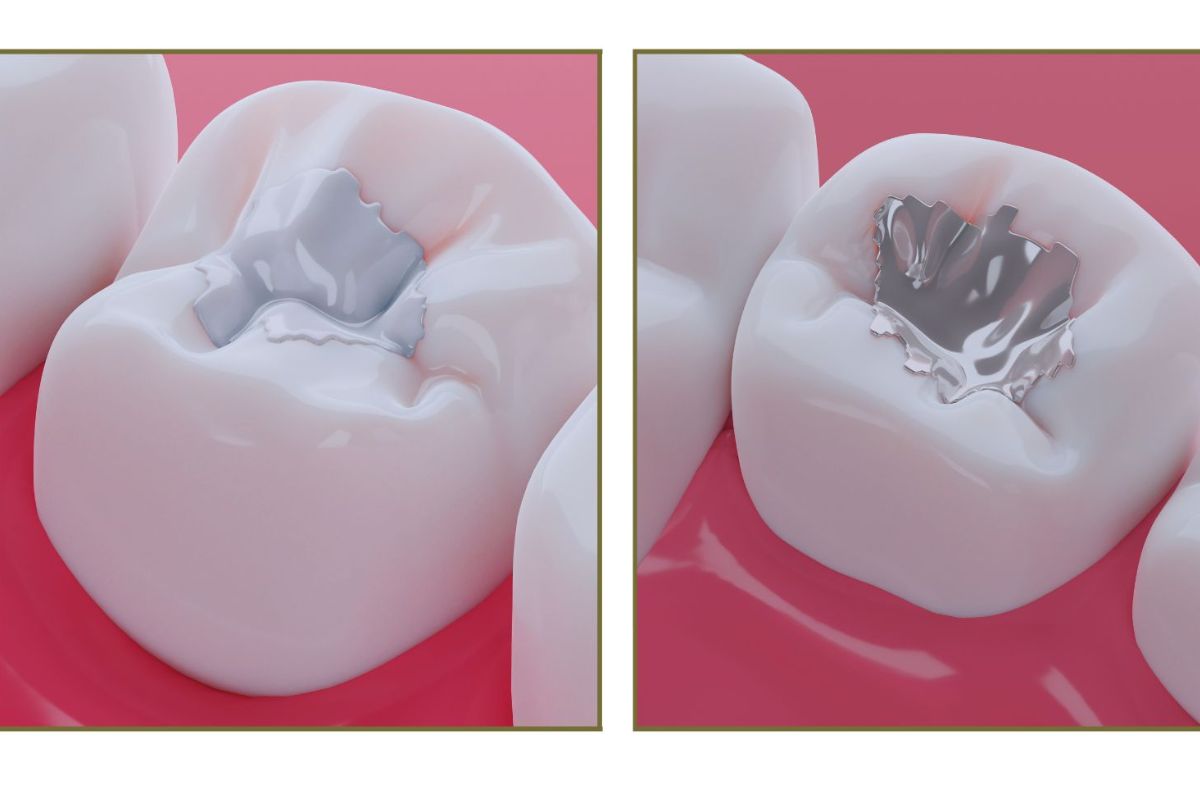
A small cavity might not seem urgent until you smile in photos and notice a dark metallic spot in your tooth.
Or, in the worst-case scenario, your tooth feels sensitive when you drink coffee, and you start wondering: “If I need a filling, should I choose tooth-colored or silver?”
It’s one of the most common questions patients ask when they visit Andrew Sheng Dental in San Pedro, especially those concerned about safety, cost, durability, and appearance. In this guide, we’ll break down everything you need to know about modern composite tooth-colored fillings vs. traditional silver amalgam fillings — so you can make the right decision for your smile and long-term oral health.
Why the Filling Material You Choose Actually Matters
A dental filling isn’t just about “fixing a cavity.”
It affects:
- How does your smile looks
- How strong your tooth remains
- Long-term durability
- Sensitivity levels
- Potential health concerns
- Future dental treatment needs
For many families in San Pedro and surrounding communities like Rancho Palos Verdes and Harbor City, appearance and longevity both matter, so choosing the right material can make a significant difference in how the restoration blends naturally and stands the test of time.
What Are Silver (Amalgam) Fillings?
Silver fillings, also called amalgam fillings, have been used for over 150 years.
They’re made from a mixture of:
- Silver
- Mercury
- Tin
- Copper
They are durable and often placed in the back teeth, where chewing pressure is strong. However, besides the functional aspects, patients also care about-
- Cosmetic appearance
- Mercury exposure concerns
- Tooth preservation
- Long-term aesthetics
And that’s where tooth-colored options come in.
What Are Tooth-Colored (Composite) Fillings?
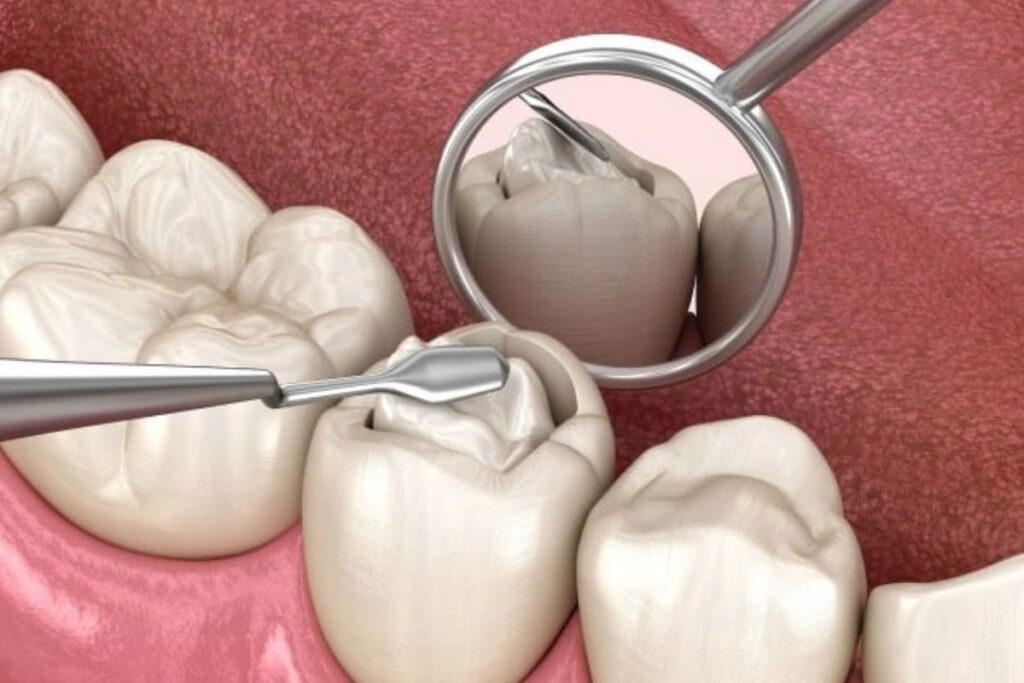
Tooth-colored fillings are made from a composite resin material that blends naturally with your enamel.
They are designed to:
- Match your natural tooth shade
- Bond directly to the tooth structure
- Preserve more healthy enamel
- Look invisible when you smile
In modern dentistry, composite materials have evolved significantly. They are stronger and more durable than earlier generations.
Are Tooth-Colored Fillings Safer Than Silver?
Yes, this is one of the most searched questions online. Silver fillings contain mercury. While the ADA considers them safe for most adults, many patients prefer mercury-free alternatives for peace of mind.
Tooth-colored fillings:
- Do not contain mercury
- Do not expand or contract as much as metal
- Reduce the risk of hairline cracks in teeth
- Require less removal of natural tooth structure
For health-conscious patients in San Pedro, composite fillings often feel like a more reassuring option.
Which Lasts Longer?
1. Silver fillings:
- Can last 10–15 years or more
- Very strong under heavy chewing pressure
2. Tooth-colored fillings:
- Typically lasts 10–15+ years with proper care
- Bond to the tooth, which can strengthen it
- Less likely to cause structural fractures
Longevity depends more on:
- Oral hygiene
- Bite pressure
- Grinding habits
- Regular dental visits
In many cases today, composite restorations last just as long, especially when placed properly.
Appearance: The Confidence Factor
Let’s be honest, the metal restorations are visible. Even in back teeth, silver fillings can darken over time, making the tooth look gray.
Tooth-colored fillings:
- Blend seamlessly
- Maintain natural brightness
- Don’t stain the surrounding enamel
- Preserve a youthful smile
If you value looks, especially in visible areas, composite is often preferred.
When Might Silver Still Be Used?
There are rare cases where amalgam may still be recommended:
- Very large cavities in the back molars
- Heavy bruxism (teeth grinding)
- Situations where moisture control is difficult
However, with modern techniques and materials, composite solutions are suitable for most patients today.
Why Professional Evaluation Matters
Requirements for every patient are different. Some of the factors that dentists consider-
- Cavity size
- Tooth location
- Bite alignment
- Enamel thickness
- Existing restorations
At Andrew Sheng Dental in San Pedro, restorations are planned conservatively; our goal is to preserve as much of the natural tooth as possible.
If decay is deep or causing pain, treatment may be integrated with related services, such as restorative dentistry, cosmetic dentistry, or emergency dental care when needed.
What Happens If You Delay a Filling?
Even a small cavity won’t fix itself. Delaying treatment can lead to:
- Deeper decay
- Tooth sensitivity
- Infection
- Root canal treatment
- Tooth fracture
Early intervention means:
- Smaller restoration
- Lower cost
- Faster procedure
- Less discomfort
If you’re experiencing sensitivity or visible dark spots on your teeth, it’s best to get evaluated sooner rather than later — call us today to speak with our team and schedule your visit.
How to Decide: Quick Comparison
| Feature | Tooth-Colored Filling | Silver Filling |
| Appearance | Matches tooth | Metallic |
| Mercury-Free | Yes | No |
| Tooth Preservation | Conservative | Requires more removal |
| Durability | 10–15+ years | 10–15+ years |
| Expansion Risk | Minimal | Higher |
| Cosmetic Appeal | Excellent | Low |
For most modern patients, tooth-colored restorations provide both aesthetic and structural benefits.
FAQs: What People Also Ask
1. Do tooth-colored fillings stain over time?
They can slightly discolor if exposed to heavy coffee, wine, or tobacco use, but professional cleanings help maintain their brightness.
2. Are silver fillings toxic because of mercury?
Major dental organizations consider them safe for most adults. However, many patients choose mercury-free options for personal preference.
3. Are composite fillings strong enough for back teeth?
Yes. Modern materials are durable and suitable for molars in most cases.
4. Do tooth-colored fillings hurt more to place?
No. The procedure is similar. Local anesthesia ensures comfort.
5. How long does it take to get a filling?
Most appointments take 30–60 minutes, depending on the size of the cavity.
6. Can old silver fillings be replaced with white ones?
Yes. Many patients replace amalgam fillings for cosmetic or structural reasons.
7. Which filling type is better for children?
Composite fillings are commonly used for children because they bond well and are mercury-free.
8. What happens if a filling cracks?
It should be evaluated quickly by a reliable dentist to prevent bacteria from entering the tooth.
Thinking About Updating Old Fillings in San Pedro?
If you’re unsure which option is right for your smile, a personalized evaluation can help you decide confidently.
At Andrew Sheng Dental, treatment plans are designed around long-term oral health, not just quick fixes.
Whether you’re maintaining existing restorations or addressing new decay, early care protects your natural teeth and prevents bigger problems later.
If you’re in San Pedro, Rancho Palos Verdes, or nearby coastal communities, scheduling a consultation is the first step toward a healthier, more natural-looking smile.
Protect Your Smile Before Small Problems Become Bigger Ones
- Your fillings should:
- Protect your tooth
- Blend naturally
- Last for years
- Support overall oral health
If you’ve been wondering whether tooth-colored restorations are the right move, now is the time to get clarity. Contact our dental office to schedule a dental evaluation and explore modern restoration options tailored to your needs. Your smile deserves materials that look natural and function reliably.