

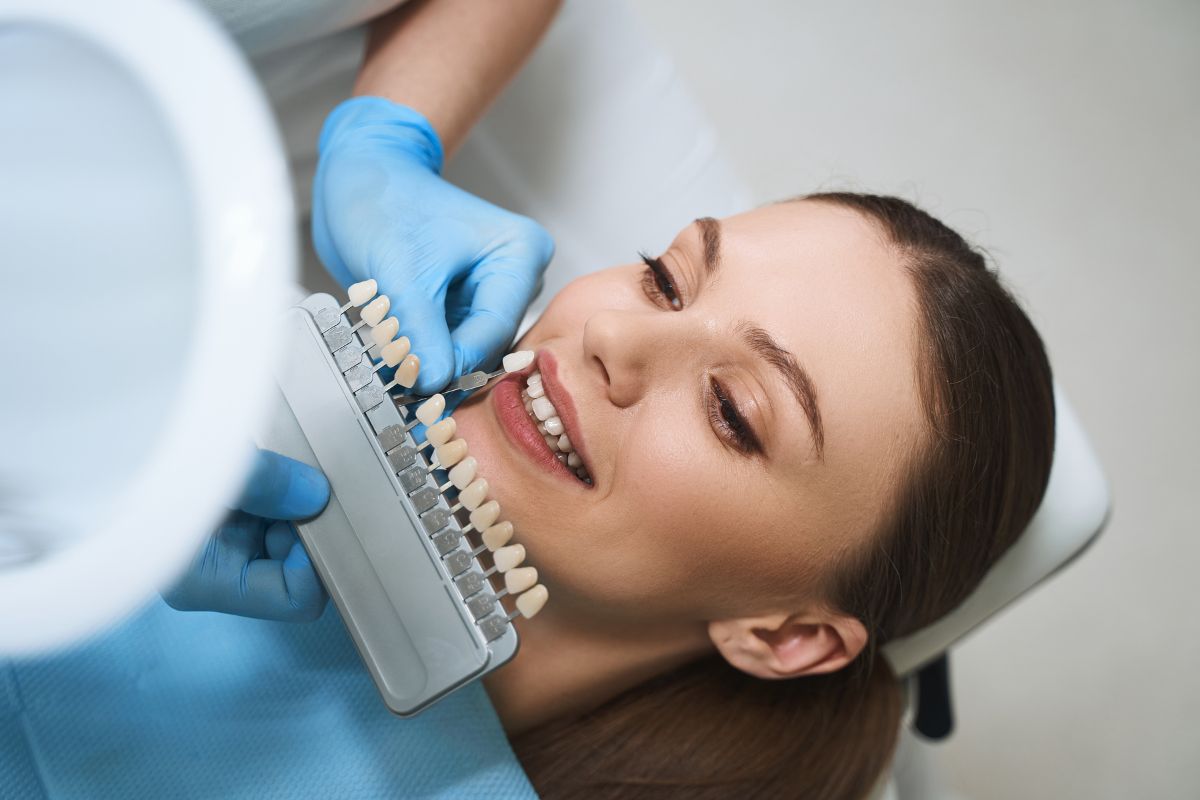
You finally did it. After months of thinking about it, you got veneers and for the first time in years, you actually like what you see when you smile in photos. But a few weeks later, something feels off. Maybe your bite feels strange, or you’re not sure what you can eat anymore, or you’re wondering if that little chip is normal.
If any of this sounds familiar, you’re not alone. Many patients searching for veneers treatment in San Pedro come in after running into one of these same issues not because veneers don’t work, but because small mistakes after treatment can quietly chip away at the results.
When Your New Smile Doesn’t Feel “Right” Anymore
Veneers are one of the most popular ways to improve smile appearance, fix uneven edges, or cover stains that whitening can’t touch. They’re durable, natural-looking, and when cared for properly can last for many years.
The problem is that most patients receive instructions on the day of placement, then forget the details once daily life takes over. A few common habits creep back in, and that’s usually when problems start.
The 5 Most Common Post-Veneer Mistakes
- Treating veneers like they’re indestructible: Biting into ice, hard candy, or opening packages with your teeth can chip the porcelain edge.
- Skipping the bite adjustment period: A new bite feels different at first, and some patients assume something is wrong instead of giving it time.
- Ignoring grinding or clenching habits: Veneers don’t stop a grinding habit they can actually wear down faster without protection.
- Forgetting routine dental checkups: Veneers cover the front of the tooth, but the gum line, bite alignment, and surrounding teeth still need monitoring.
- Trying to whiten veneers at home: Porcelain doesn’t respond to whitening gels, which can lead to a mismatched smile over time.
Why These Small Habits Matter More Than You Think
It’s easy to assume that once veneers are placed, the work is done. In reality, veneers are part of a bigger picture that includes your bite alignment, gum health, enamel on your remaining teeth, and your overall oral hygiene routine.
Many patients focus on the veneers themselves, but experienced cosmetic dentists often evaluate much smaller details that affect the final result, including tooth proportions, gum symmetry, bite balance, and smile line appearance. If you’re curious about the subtle factors that influence how a smile looks and functions, read “The Tiny Smile Details Cosmetic Dentists Notice Immediately (That Most People Never See).“
Did You Know?
Porcelain veneers are extremely strong against everyday chewing forces, but they bond to your natural tooth structure underneath. If that tooth develops decay, gum recession, or bite issues, the veneer itself can be affected even though the porcelain looks fine on the surface.
The Hidden Risks of Ignoring These Issues
Most veneer problems don’t happen overnight. They build slowly, which is part of why they’re easy to overlook until something feels noticeably wrong.
What Can Happen Without Proper Aftercare
- Cracked or chipped porcelain: Often from biting hard objects or unmanaged grinding, sometimes requiring a full replacement.
- Gum irritation or recession: Can expose the edge of the veneer and create a visible line near the gum.
- Tooth decay underneath the veneer: Veneers cover the front surface, but the rest of the tooth is still vulnerable to decay if hygiene slips.
- Bite alignment changes: Untreated grinding or shifting teeth can put uneven pressure on veneers over time.
- Color mismatch with natural teeth: Especially if whitening products are used incorrectly after placement.
Mistake-by-Mistake Comparison
| Common Mistake | What Happens | Better Approach |
| Skipping the adjustment period | Patients assume something is wrong and stop wearing veneers normally | Give your bite 1–2 weeks to adapt, and call your dentist with concerns |
| Biting hard foods or ice | Chipped edges or cracked porcelain | Treat veneers like natural teeth, but avoid extreme force |
| Skipping a nightguard | Grinding wears down or fractures veneers over time | Ask about a custom nightguard if you clench or grind |
| Ignoring gum sensitivity | Early gum disease can affect how veneers fit and look | Bring up any tenderness at your next dental visit |
| Using whitening products on veneers | Porcelain doesn’t whiten and shades may mismatch natural teeth | Whiten before veneers are placed, not after |
How Professional Veneers Treatment Helps You Avoid These Problems
This is exactly why working with an experienced dentist for veneers treatment matters just as much after placement as it does on the day they’re placed. A well-planned veneer treatment accounts for your bite, your enamel, your gum health, and your daily habits not just how your teeth look in the chair.
During your visits, your dentist can check for early signs of gum disease, monitor how your veneers interact with your bite alignment, and recommend simple solutions like a nightguard before small issues turn into bigger ones.
Simple Habits That Protect Your Investment
- Keep up with regular cleanings and checkups, even if your veneers look perfect.
- Wear a nightguard if you grind or clench, especially while sleeping.
- Avoid using your teeth as tools for opening packages or biting nails.
- Maintain good oral hygiene around the gum line to support long-term restorative dentistry results.
- Ask your dentist before using any whitening products once veneers are placed.
What Patients Say About Their Experience
⭐⭐⭐⭐⭐ Philip Martin
Excellent as always. Susan is the most knowledgeable hygienist ever. Dr. Bracco found that my implant was a bit loose and will need tightening. I am very happy with their care.
Patients consistently mention the team’s attention to detail, thorough examinations, and commitment to catching small issues before they become larger problems. Whether you’re maintaining veneers, monitoring an implant, or improving your smile through cosmetic dentistry, proactive care plays a major role in long-term success.
Read more Google reviews to see why so many San Pedro patients trust Dr. Andrew C. Sheng and the team for their ongoing dental care. Schedule a consultation with Dr. Sheng to talk through your veneers and find out what your smile actually needs.
Have Questions About Your Veneers?
Whether you’re considering veneers treatment in San Pedro or already have veneers and want a checkup, Dr. Sheng’s team is happy to help. Call Now to Schedule Your Consultation Today!
Trusted Veneers Treatment in San Pedro
San Pedro residents have plenty of options when it comes to cosmetic dentistry, but not every practice takes the same approach to long-term care. At Andrew C. Sheng DMD, veneers treatment includes a conversation about your habits, your bite, and what kind of maintenance fits your lifestyle not just a one-time procedure.
Patients from San Pedro, Rancho Palos Verdes, Wilmington, and the surrounding South Bay area often come in not just for new veneers, but for guidance on caring for veneers they already have. If something feels off with your smile, it’s always worth getting it checked rather than waiting.
Veneers are only one option within modern cosmetic dentistry. Depending on your goals, concerns like discoloration, worn teeth, uneven spacing, chips, or minor alignment issues may be addressed through several different treatments. If you’re still exploring your options, read “Thinking About Fixing Your Smile? Here’s What Cosmetic Dentistry Can Really Solve” to better understand which treatments may be right for your smile.
Ready to Protect (or Start) Your New Smile?
Don’t wait for small issues to become bigger ones. Book your veneers consultation in San Pedro today and get a smile that lasts. Book Your Appointment Now!
Frequently Asked Questions
Is it normal for my bite to feel different after getting veneers?
Yes, a slightly different bite feeling is common in the first 1–2 weeks as your mouth adjusts. If it doesn’t settle or feels uneven, it’s worth a follow-up visit.
How long do veneers usually last?
With good care, porcelain veneers commonly last 10–15 years or longer. Lifespan depends on habits like grinding, diet, and how consistent you are with checkups.
Can veneers get cavities underneath them?
The veneer itself can’t decay, but the natural tooth underneath can still develop decay if oral hygiene isn’t kept up, especially near the gum line.
What foods should I avoid with veneers?
Avoid biting into ice, hard candy, or using your teeth to open packaging. Otherwise, most normal foods are fine once your bite has adjusted.
Do veneers need a nightguard?
Not everyone needs one, but if you grind or clench your teeth at night, a custom nightguard can help protect both your veneers and your natural enamel.
Can I whiten my veneers if they start to look dull?
Whitening products don’t change the color of porcelain. If your veneers look mismatched, your dentist can check whether cleaning, polishing, or replacement is the right step.
How do I know if my veneer is chipped or just stained?
A chip usually has a rough edge or visible line, while staining looks more like a dull or discolored area. Either way, a dental visit can confirm what’s going on.