

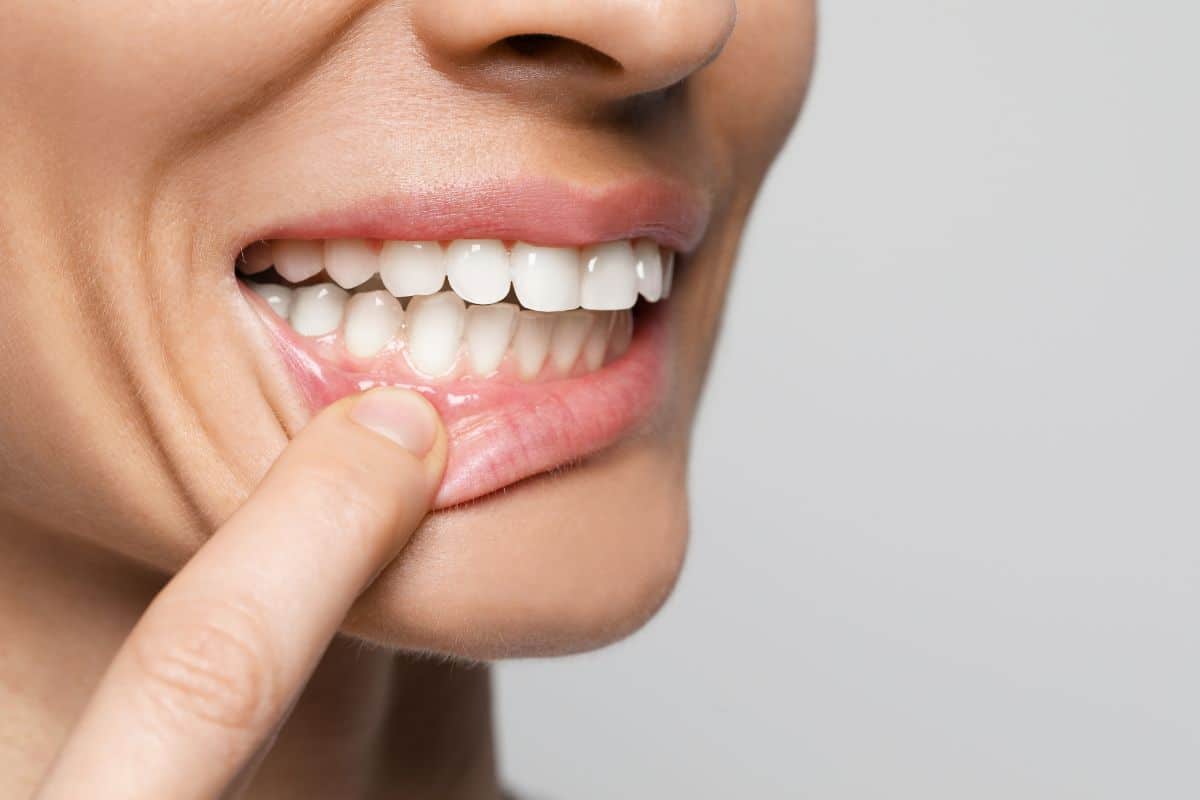
Have you noticed chalky white spots or uneven patches on your teeth after whitening? While you may expect your smile to look brighter and more even, these spots can sometimes become more noticeable immediately after treatment. The good news is that they do not always indicate permanent damage.
White spots after teeth whitening can result from temporary changes in tooth moisture, existing enamel differences, or areas that have lost minerals. Understanding the cause can help you decide whether to wait for the appearance to settle or schedule a dental evaluation.
What Causes White Spots After Teeth Whitening?
1. Temporary Tooth Dehydration
One common reason white spots appear more noticeable after whitening is dehydration. Whitening treatments use ingredients such as hydrogen peroxide or carbamide peroxide to break down stains. During treatment, teeth may temporarily lose moisture, making the enamel appear lighter and less translucent.
Areas of enamel that already have a different structure can look especially white or chalky when the surrounding tooth surface becomes dehydrated. As the teeth rehydrate naturally, the contrast may become less noticeable.
2. Existing Enamel Defects
White spots may have been present before whitening but were difficult to see against the original tooth shade. Once the surrounding enamel becomes lighter, these areas can stand out more clearly.
Some common causes include:
- Dental fluorosis: Changes in enamel development associated with excess fluoride exposure while permanent teeth are forming.
- Enamel hypomineralization: Areas where enamel developed with a lower mineral content.
- Previous orthodontic treatment: White marks may develop around braces when plaque buildup contributes to mineral loss.
Whitening may reveal these existing differences rather than create them.
3. Early Enamel Demineralization
White spots can also indicate demineralization, a process in which acids remove minerals from the enamel. This can happen when plaque bacteria produce acids from sugars left on the teeth.
These areas may look dull, opaque, or chalky, particularly near the gumline or in places where braces were attached. Whitening does not necessarily cause this condition, but it can make the contrast more apparent. A dental professional can examine the area to determine whether early decay or another enamel concern is present.
Are White Spots After Whitening Permanent?
Not always. If the spots are mainly caused by temporary dehydration, they may become less noticeable as the teeth rehydrate over the next few days. However, spots caused by fluorosis, enamel defects, or mineral loss may remain visible and require a different approach.
Avoid judging your final whitening results immediately after treatment. Give your teeth time to rehydrate, and follow the instructions provided by your dentist. If the spots persist, become more noticeable, or appear alongside sensitivity or discomfort, arrange a dental examination.
How Can You Reduce White Spots After Whitening?
The right approach depends on what is causing the spots. You can support your oral health by following these steps:
- Use fluoride toothpaste: Brush twice daily to help protect enamel and support remineralization.
- Maintain good oral hygiene: Clean between your teeth daily to reduce plaque buildup.
- Avoid excessive whitening: Do not repeat treatments or use stronger products in an attempt to even out your tooth color without professional advice.
- Stay hydrated: Drink water regularly and allow your teeth time to rehydrate after treatment.
- Schedule a dental evaluation: Have persistent white spots checked to identify the underlying cause.
Depending on the diagnosis, a dentist may recommend fluoride treatment, remineralizing products, or cosmetic options such as enamel microabrasion or resin infiltration. Not every treatment is appropriate for every type of white spot, so an examination is important before choosing a solution.
When Should You See a Dentist?
If white spots remain after several days, were present before whitening, or appear with pain, sensitivity, or visible surface changes, contact your dentist. Persistent spots do not automatically mean you have cavities, but they should not be ignored.
At Andrew Sheng Dental in San Pedro, CA, patients can discuss concerns about tooth appearance and oral health with a dental professional. An evaluation can help determine why the spots appeared and which options may help improve the appearance of your smile while protecting your teeth.
Concerned about white spots after whitening? Contact Andrew Sheng Dental to schedule an appointment and discuss your concerns with the dental team.
Frequently Asked Questions
1. Is it normal to have white spots immediately after teeth whitening?
White spots can become more noticeable immediately after whitening because of temporary dehydration or existing differences in enamel. If they persist or cause discomfort, consult your dentist.
2. How long do white spots last after teeth whitening?
Spots caused by temporary dehydration may become less noticeable over the next few days. Spots caused by enamel defects or mineral loss may last longer and need professional evaluation.
3. Does teeth whitening damage enamel?
When used appropriately, dental whitening is generally considered safe, although temporary sensitivity and gum irritation can occur. Misuse or excessive whitening may cause problems, so follow product directions and your dentist’s recommendations.
4. Can I whiten my teeth again to remove white spots?
Do not repeat whitening treatments just to remove white spots. Additional whitening may not correct the underlying issue and could increase sensitivity. Have a dental professional identify the cause first.
5. Can fluoride help white spots on teeth?
Fluoride may help strengthen enamel and support remineralization when spots are associated with early mineral loss. However, it will not eliminate every type of white spot, particularly those caused by developmental enamel changes.
6. Should I worry if white spots appear with tooth sensitivity?
Some temporary sensitivity can occur after whitening. However, persistent or worsening sensitivity, pain, or white spots that do not improve should be evaluated by a dentist.


