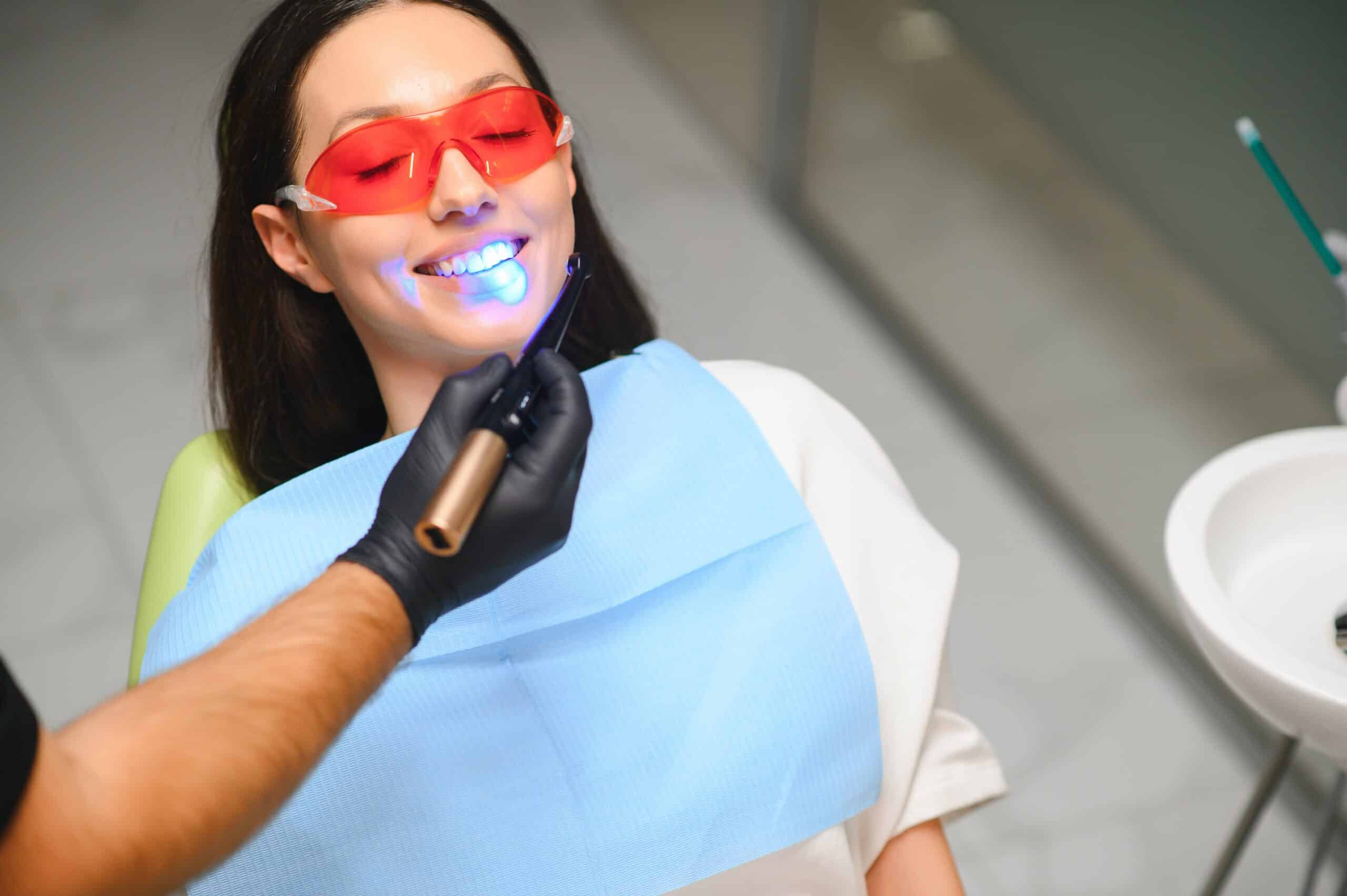
Many San Pedro patients assume a tooth-colored filling is a permanent fix. The truth is more nuanced — and understanding why your tooth-colored filling might not last as long as you think in San Pedro could save you from unexpected dental problems down the road. Composite resin fillings are a popular choice for good reason. But their lifespan depends on several factors that most patients never hear about.
Dr. Andrew Sheng at Andrew C. Sheng DMD has placed and replaced hundreds of these restorations. He believes informed patients make better decisions about their oral health. This article explains everything you need to know about filling longevity, what shortens it, and how to protect your investment.
How Long Do Tooth-Colored Fillings Actually Last in San Pedro?
Composite resin fillings typically last between 5 and 10 years. Some last longer with ideal care. Others fail sooner due to wear, diet, or hygiene habits. The average lifespan is significantly shorter than older amalgam (silver) fillings, which can last 15 years or more.
That does not mean composite fillings are inferior. They bond directly to tooth structure. They require less removal of healthy enamel. They look completely natural. For many patients, those benefits outweigh the shorter lifespan.
- Average composite filling lifespan: 5–10 years
- Amalgam filling lifespan: 10–15 years or more
- Porcelain or ceramic inlays: up to 15–20 years with proper care
- Location in the mouth affects durability significantly
- Larger fillings tend to wear down faster than smaller ones
Fillings placed on back molars face the most stress. These teeth handle the bulk of chewing force. That mechanical pressure accelerates wear on composite material over time.
What Shortens the Lifespan of Your Tooth-Colored Filling?
Several everyday habits quietly damage composite fillings. Knowing these risks lets you take action before a filling fails. If you are wondering why your tooth-colored filling might not last as long as you think in San Pedro, daily habits are often the first culprit.
Grinding your teeth at night is one of the biggest threats. Bruxism creates enormous pressure across all your teeth. That repeated stress fractures and wears down composite resin faster than normal chewing ever would. Dr. Sheng often recommends a custom night guard for patients who grind while they sleep.
- Teeth grinding (bruxism) — accelerates surface wear dramatically
- Chewing ice or hard candy — chips composite material
- Biting fingernails or pens — applies uneven stress to fillings
- High-sugar diets — promotes decay around filling margins
- Poor brushing habits — allows bacteria to accumulate at filling edges
- Drinking excessive acidic beverages — softens surrounding enamel
- Skipping regular dental checkups — lets small problems grow large
Acidic foods and drinks are another underestimated threat. Coffee, citrus, soda, and wine all erode enamel over time. When enamel weakens around a filling, the bond between tooth and composite can break down. That creates tiny gaps where bacteria thrive.
How to Extend the Life of Your Composite Filling
The good news is that you have real control over how long your filling lasts. Small daily habits add up to significant long-term results. Patients at Andrew C. Sheng DMD in San Pedro consistently see better outcomes when they follow a proactive maintenance routine.
Brushing twice daily with a soft-bristled toothbrush is essential. Avoid abrasive whitening toothpastes that scratch composite surfaces. Floss daily to remove bacteria from the contact points near filling margins. These simple steps protect both the filling and the tooth structure around it.
Professional cleanings every six months are equally important. Your hygienist can spot early signs of wear or micro-cracking before they become serious. Dr. Sheng checks the margins and surface integrity of existing fillings at every visit. Early intervention almost always costs less than replacing a failed filling.
If you grind your teeth, a custom night guard is one of the best investments you can make. It distributes pressure evenly and protects both your fillings and natural enamel. Ask Dr. Sheng whether one would benefit you during your next appointment.
When Is It Time to Replace a Tooth-Colored Filling?
Fillings do not last forever, and knowing the warning signs matters. Catching a failing filling early prevents the need for more extensive Restorative Dentistry San Pedro work like crowns or root canals. Do not wait for pain before seeking an evaluation.
Common signs that a filling may need replacement include sensitivity to hot or cold temperatures. You might notice a rough edge when your tongue runs across the tooth. Sometimes the filling discolors or develops visible cracks. In other cases, there are no symptoms at all — which is why regular exams matter so much.
Dr. Sheng uses advanced diagnostic tools to assess filling integrity. Digital X-rays reveal what the naked eye cannot. If a filling shows signs of breakdown, replacing it promptly protects the healthy tooth underneath.
Tooth-Colored Fillings and Your Smile Goals in San Pedro
Composite fillings are not just functional — they also serve an aesthetic purpose. Many San Pedro patients choose them specifically because they match natural tooth color. When placed skillfully, they are virtually invisible. This makes them a natural complement to broader Cosmetic Dentistry San Pedro goals like whitening or veneers.
However, composite resin does not respond to whitening treatments the way natural enamel does. If you plan to whiten your teeth, do it before getting a new filling. That way, Dr. Sheng can match the composite shade to your newly whitened enamel. Doing it in the wrong order leads to a visible mismatch.
Patients interested in a longer-lasting aesthetic restoration may also consider porcelain inlays or onlays. These lab-fabricated restorations offer greater durability for larger cavities. Dr. Sheng can help you weigh the options based on your specific tooth, bite, and lifestyle.
Conclusion: Protect Your Filling Investment with the Right Care
Understanding filling longevity is one of the most practical things a dental patient can do. The lifespan of a tooth-colored filling is not fixed — it is directly shaped by your habits, your diet, and the quality of care you receive. San Pedro patients who stay proactive consistently get more years out of their restorations.
At Andrew C. Sheng DMD, Dr. Sheng combines skill, education, and genuine care to help every patient protect their dental health for the long term. Whether you need a new filling, a filling evaluation, or a full smile review, the team is here to help. Book Now to schedule your appointment with our team.
Frequently Asked Questions
How long do tooth-colored fillings typically last?
Tooth-colored composite fillings generally last between 5 and 10 years. Their actual lifespan depends on the filling’s size, its location in the mouth, your bite force, and how consistently you maintain your oral hygiene. Back molars tend to wear fillings faster because they handle the most chewing pressure.
Can I make my tooth-colored filling last longer?
Yes. Brushing twice daily with a soft toothbrush, flossing consistently, avoiding hard foods, limiting acidic drinks, and attending regular dental checkups all extend filling lifespan. If you grind your teeth at night, wearing a custom night guard dramatically reduces wear on composite restorations.
What are the signs that a tooth-colored filling needs to be replaced?
Common signs include sensitivity to hot or cold, a rough or uneven surface, visible discoloration, small cracks, or pain when biting. Sometimes there are no obvious symptoms, which is why routine dental exams are essential for catching early filling breakdown before it leads to more serious damage.
Does teeth whitening affect tooth-colored fillings?
Whitening treatments do not change the color of composite resin. If you whiten your teeth after getting a filling, the natural teeth may lighten while the filling stays the same shade, creating a visible mismatch. It is best to complete any whitening treatment before placing a new composite filling.
Are tooth-colored fillings as strong as silver amalgam fillings?
Composite fillings bond directly to tooth structure and require less removal of healthy enamel, but they are generally not as durable as amalgam under heavy biting forces. For large cavities or heavily used back teeth, Dr. Sheng may recommend alternative restorations like porcelain inlays that offer greater strength and longevity.