
You did the research. You compared your options. You sat through the procedure and followed every post-op instruction to the letter, and you finally got your smile back. A dental implant is not a small decision, it is an investment in years, sometimes decades, of comfortable chewing and not thinking twice about a gap in your smile.
So here is the uncomfortable question: what if a habit you do not even think about is quietly working against that investment?
Most patients assume that once an implant heals, it is essentially indestructible, since it is titanium fused directly to bone. Structurally, that is mostly true. But the gum tissue and bone surrounding the implant, along with the crown sitting on top of it, are still very much affected by daily wear and tear. At Andrew Sheng Dental in San Pedro, patients are often surprised to learn that the biggest threats to dental implant lifespan are not dramatic accidents. They are small, repeated habits that add up over years of dental implant care.
Why Dental Implants Aren’t as “Set It and Forget It” as They Seem
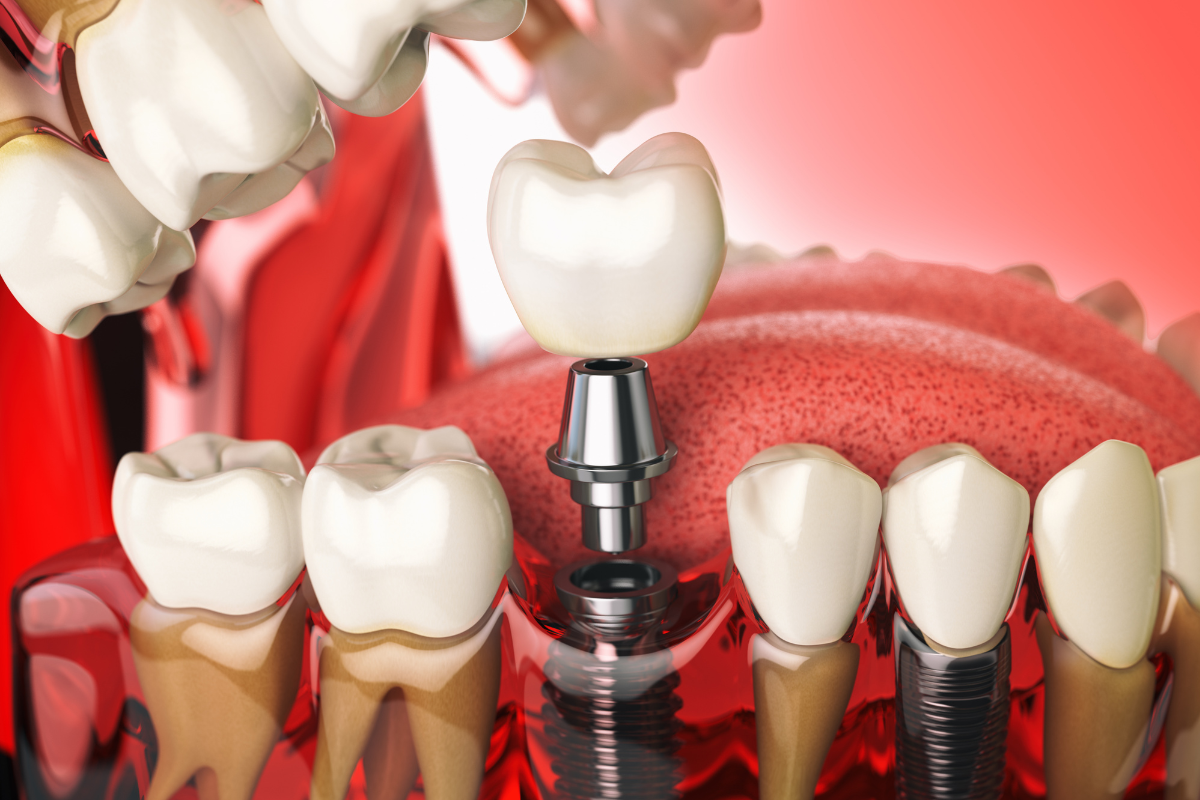
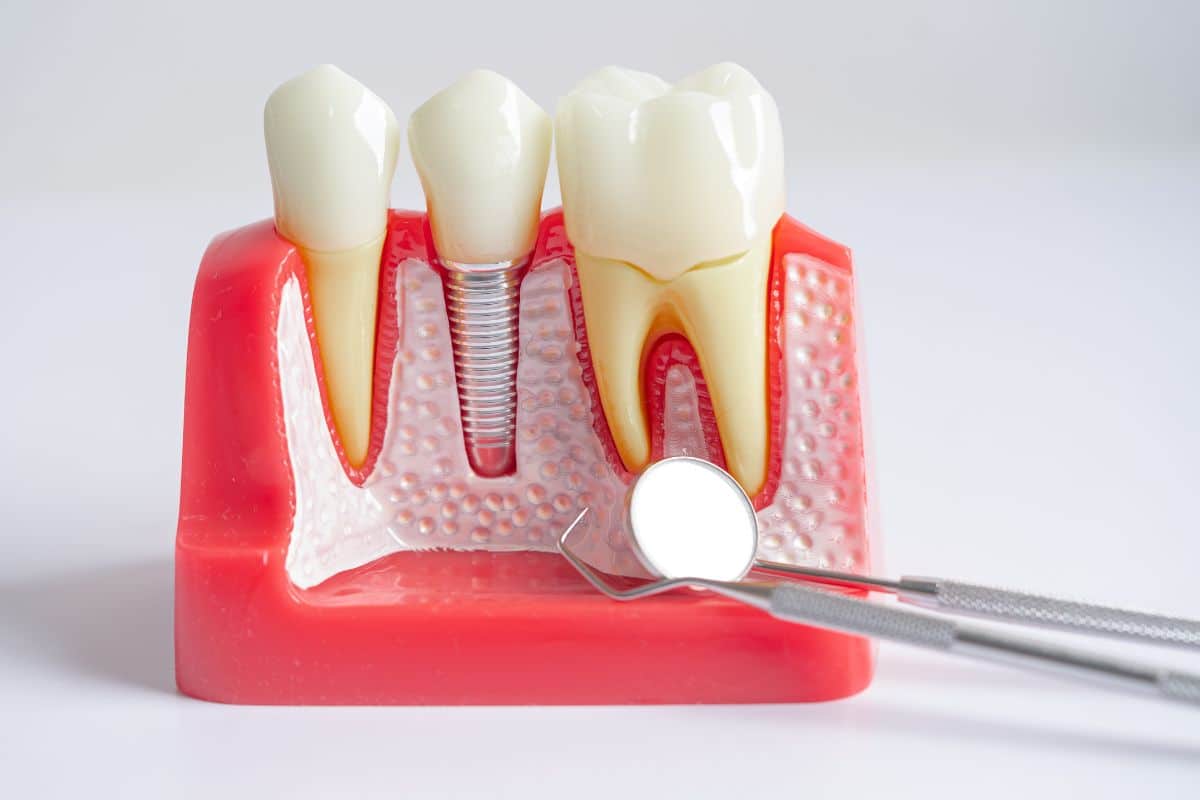
An implant post itself is made of titanium and will not decay the way a natural tooth root can. But the tissue around it can still become inflamed, infected, or worn down, and the crown on top is a manufactured piece that experiences the same daily forces as your natural teeth.
This is where a condition called peri-implantitis comes in. It is essentially gum disease that targets the tissue and bone surrounding an implant, and it is the leading cause of implant failure long after the original procedure was considered a success.
| Did You Know? Peri-implantitis affects a meaningful share of implant patients over time, and in most cases it develops gradually, without pain, until the bone loss is already significant. Regular dental implant hygiene and checkups are what catch it early. |
Why This Matters More Than You Might Think
Replacing or repairing a failing implant is not a quick fix. It typically means additional imaging, possible bone grafting, and a new healing period before a replacement can even be placed. Beyond the added time and expense, there is the disruption to your daily life: eating, speaking, and smiling with confidence again.
The good news is that dental implant success over the long term usually comes down to a short list of preventable habits. Once you know what to watch for, protecting your implant becomes part of your normal routine rather than a source of stress.
If you’re still considering implant treatment or want to understand why so many patients see it as a life-changing investment, read our article “How a Dental Implants Procedure Helps You Eat, Speak, and Smile Naturally Again.“ It explains how implants restore everyday comfort, confidence, and function before you learn how to keep those results for years to come.
The Habits That Quietly Undermine Dental Implant Health
These are the patterns our San Pedro patients most often did not realize were putting their implant-supported crown at risk.
1. Skipping the “Boring” Parts of Oral Hygiene
Brushing alone is not enough. Plaque and food particles build up around the base of an implant just as they do around natural teeth, and if that area is not cleaned daily with floss, a water flosser, or an interdental brush, inflammation can start within weeks.
2. Grinding or Clenching at Night
Bruxism puts repeated, high-force pressure on an implant-supported crown, and because an implant does not have the same natural shock absorption as a tooth root with its ligament, that force transfers more directly into the implant and surrounding bone. Over time, this can crack a crown or loosen the implant itself.
3. Using Your Teeth as Tools
Opening packages, tearing tags off clothing, or biting down on pen caps might feel harmless, but a sudden, uneven force is exactly the kind of stress that chips or fractures an implant crown.
4. Smoking or Vaping
Nicotine restricts blood flow to the gum tissue, which slows healing and makes it harder for the body to fight off the low-grade inflammation that leads to peri-implantitis. Patients who smoke face a notably higher long-term implant failure rate than non-smokers.
5. Skipping Regular Dental Checkups Because “It Feels Fine”
This is the habit that surprises people most. Peri-implantitis is often painless in its early stages, which means a routine checkup, not how the implant feels day to day, is usually what catches a problem while it is still simple to treat.
6. Chewing Ice, Hard Candy, or Unpopped Popcorn Kernels
These habits are hard on natural teeth too, but an implant crown has no give. A hard, sudden bite can crack the crown or place enough force on the implant to disrupt its connection to the bone.
7. Ignoring Minor Looseness or Discomfort
A little tenderness or a crown that feels slightly “off” is not something to wait out. These are usually the earliest signals of a problem, and addressing them quickly is almost always simpler and less costly than waiting.
Here is how these habits stack up in terms of risk to a healthy dental implant:
| Daily Habit | Risk Level | Impact on Implant |
| Skipping interdental cleaning | High | Gum inflammation, bone loss around implant |
| Nighttime grinding/clenching | High | Cracked crown, loosened implant post |
| Using teeth as tools | Medium | Chipped or fractured crown |
| Smoking or vaping | High | Slower healing, higher failure risk |
| Skipping dental checkups | Medium | Missed early signs of infection |
| Chewing ice or hard candy | Medium | Fractured crown, implant strain |
| Ignoring minor looseness | High | Advanced bone loss, possible implant loss |
How Professional Care Protects Your Implant Investment
None of this means living in fear of your implant. It means treating dental implant maintenance the same way you would treat any long-term investment, with a bit of routine attention.
- Professional cleanings: Specialized instruments clean around the implant without scratching its surface, something a standard home routine cannot fully replicate.
- Routine checkups: Imaging and a hands-on exam catch bone loss long before it becomes noticeable to you.
- A custom night guard: For patients who grind or clench, this single step is one of the most effective ways to protect both the crown and the implant beneath it.
- Early intervention: Catching gum inflammation in its first stages is almost always simple to reverse, compared to treating advanced bone loss.
These small, preventive habits are what allow a dental implant to comfortably last for decades rather than needing early replacement.
Still deciding whether a dental implant is the right long-term solution? Our guide “Why More Adults Are Choosing Dental Implants Over Bridges?“ compares both options, including durability, maintenance, comfort, and long-term value, so you can make an informed decision before treatment.
Trusted Implant Care in San Pedro
Andrew C. Sheng DMD has been part of the San Pedro community, helping patients maintain the health of their implants long after the original placement. Preventive dental care and honest, early guidance are at the center of that approach.
Meet Dr. Andrew Sheng

Dr. Andrew Sheng has spent his career in San Pedro helping patients keep their smiles healthy for the long run, from routine cleanings to full implant restorations. His approach centers on catching small problems early, before they turn into bigger, more expensive ones. Schedule a consultation with Dr. Sheng to have your implant checked.
Patients often mention this kind of attentive, long-term follow-up when they talk about their experience:
Whether your implant was placed here or elsewhere, a simple checkup is the easiest way to confirm it is still doing what it was designed to do: give you a healthy, worry-free smile for years to come. Call us to book an appointment!
⭐⭐⭐⭐⭐ Sam McCamey
Outstanding staff and services provided during my visit.
Frequently Asked Questions About Dental Implant Care
1. How long do dental implants last?
With consistent dental implant care, the titanium post itself can last 20 years or longer, often a lifetime. The crown on top typically lasts 10 to 15 years before it may need replacement due to normal wear.
2. What are the early signs of a failing dental implant?
Early signs include mild swelling or redness around the implant, slight looseness, bleeding when flossing, or persistent bad breath. Because these signs are often subtle, routine checkups are the most reliable way to catch problems early.
3. Can I still get a cavity on a dental implant?
No, the implant itself cannot decay since it is not natural tooth structure. However, the surrounding gum tissue can still develop infection, and the crown can chip or wear down over time.
4. Is flossing around an implant different from flossing natural teeth?
Yes. Many dentists recommend implant-specific floss, a water flosser, or interdental brushes, since these tools clean more thoroughly around the base of the implant without irritating the gum tissue.
5. Does grinding my teeth really affect an implant?
Yes. Because an implant lacks the natural shock-absorbing ligament of a tooth root, grinding transfers force more directly into the implant and surrounding bone. Over time, this can increase the risk of a cracked crown or other implant-related complications.
6. How often should I see a dentist after getting an implant?
Most patients benefit from a checkup every six months, though your dentist may recommend more frequent visits during the first year to closely monitor healing and ensure the implant remains healthy.
7. Can smoking cause a dental implant to fail?
Yes. Smoking is one of the most significant risk factors for dental implant failure. It reduces blood flow to the gum tissue, slows healing, and increases the likelihood of peri-implantitis and other complications.
8. What should I do if my implant crown feels loose?
Contact your dentist as soon as possible. A loose crown may be a simple repair, but it can also indicate a deeper issue with the implant. Prompt evaluation helps prevent more serious and costly problems.