
Losing a tooth doesn’t always feel urgent at first.
Many people in San Pedro continue eating, smiling, and going about daily life without realizing that one missing tooth can quietly change the health of the entire mouth over time. The real problems often develop slowly — shifting teeth, jawbone loss, bite changes, and even facial aging can happen long before pain appears.
That’s one reason patients often start researching why do dental implants matter after they notice bigger issues months or years later.
What begins as “just one missing tooth” can eventually affect chewing comfort, oral hygiene, confidence, and long-term oral health in ways most people never expect.
Why Missing Teeth Affect More Than Just Appearance
A missing tooth leaves behind an empty space in the mouth. But your teeth work together like a system.
When one tooth disappears, nearby teeth often begin shifting into that space. The bite can slowly become uneven, and extra pressure may fall on surrounding teeth.
Over time, this can contribute to:
- Bite alignment problems
- Increased enamel wear
- Jaw discomfort
- Food trapping between teeth
- Gum irritation
- Higher risk of tooth decay
- Difficulty chewing certain foods
Many patients are surprised to learn that even a single missing molar can eventually affect the entire bite.
The Jawbone Shrinks After Tooth Loss
One of the most overlooked consequences of tooth loss is bone loss in the jaw.
Your tooth roots stimulate the jawbone every time you chew. Once a tooth is gone, that stimulation disappears. The body may begin reabsorbing the unused bone in that area.
What can happen over time?
- The jawbone may become thinner
- Facial structure can gradually change
- Lips and cheeks may appear less supported
- Neighboring teeth may loosen more easily
- Future restorative dentistry options may become more complex
This process can begin sooner than many people realize.
Why People Often Wait Too Long
Tooth loss doesn’t always create immediate pain.
That’s why many patients postpone treatment for months or even years. Some adapt by chewing on one side of the mouth or avoiding certain foods altogether.
Unfortunately, the absence of pain doesn’t mean the mouth is healthy.
Patients often seek help later because they notice:
- Teeth shifting
- Changes in smile appearance
- Difficulty chewing
- Increased sensitivity
- A collapsing bite
- Trouble cleaning between crowded teeth
By that stage, treatment may involve more than replacing a missing tooth alone.
How Missing Teeth Can Affect Overall Oral Health
When the bite becomes unstable, everyday oral hygiene can become harder.
Crowded or shifted teeth may trap plaque and bacteria more easily, increasing the risk of:
- Gum disease
- Tooth decay
- Chronic inflammation
- Bad breath
- Additional tooth loss
This is why dentists frequently recommend restoring missing teeth before secondary complications develop.
Why Do Dental Implants Help Protect Long-Term Oral Health?
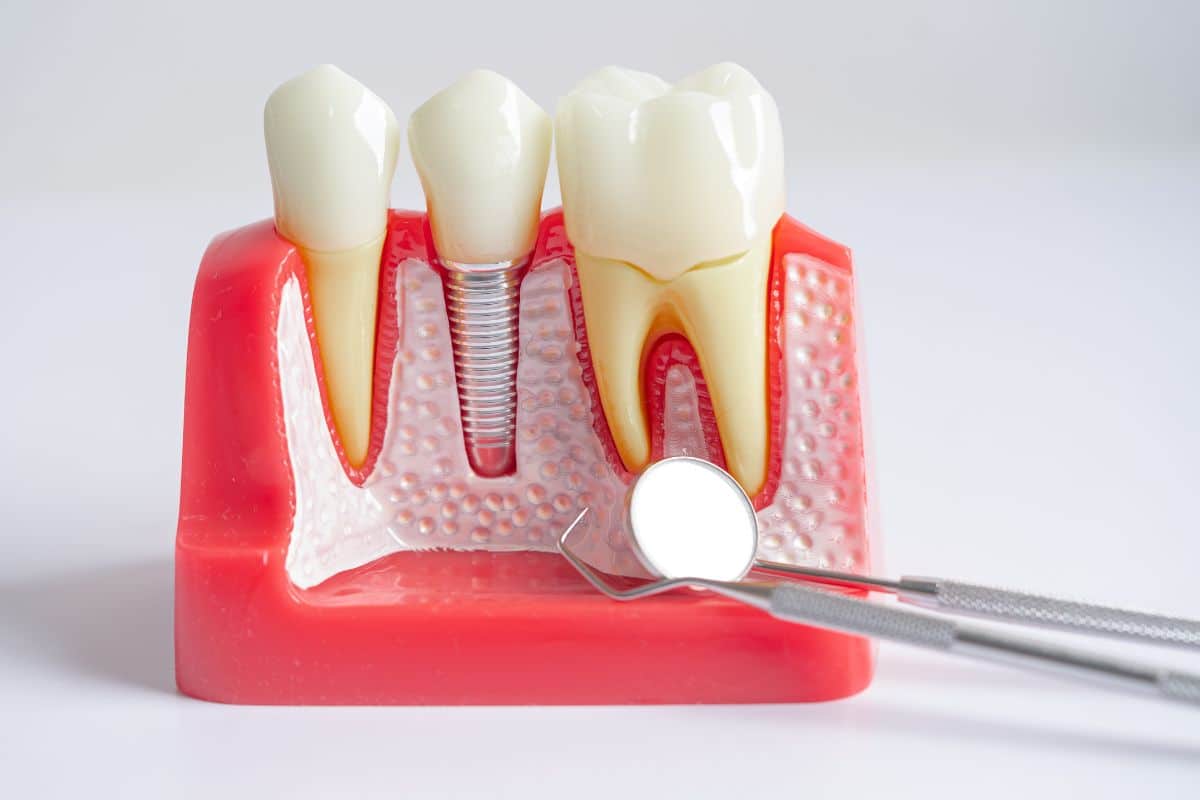
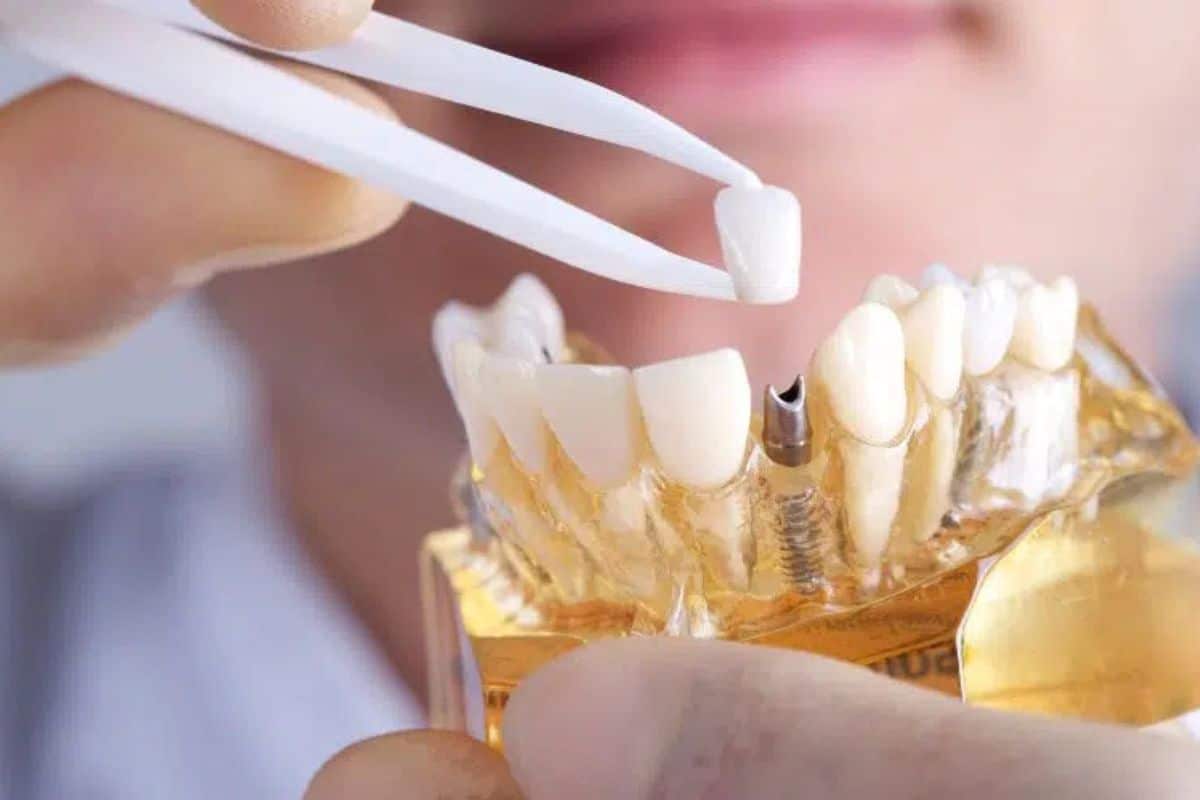
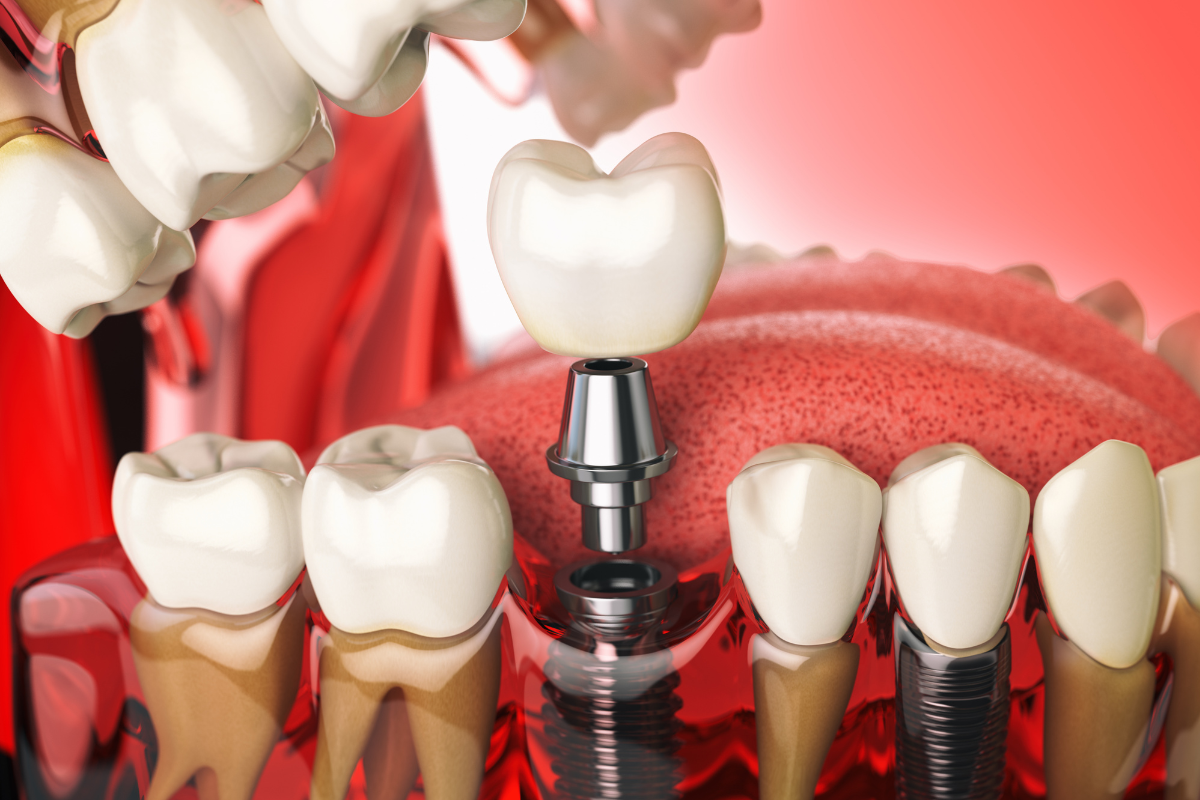
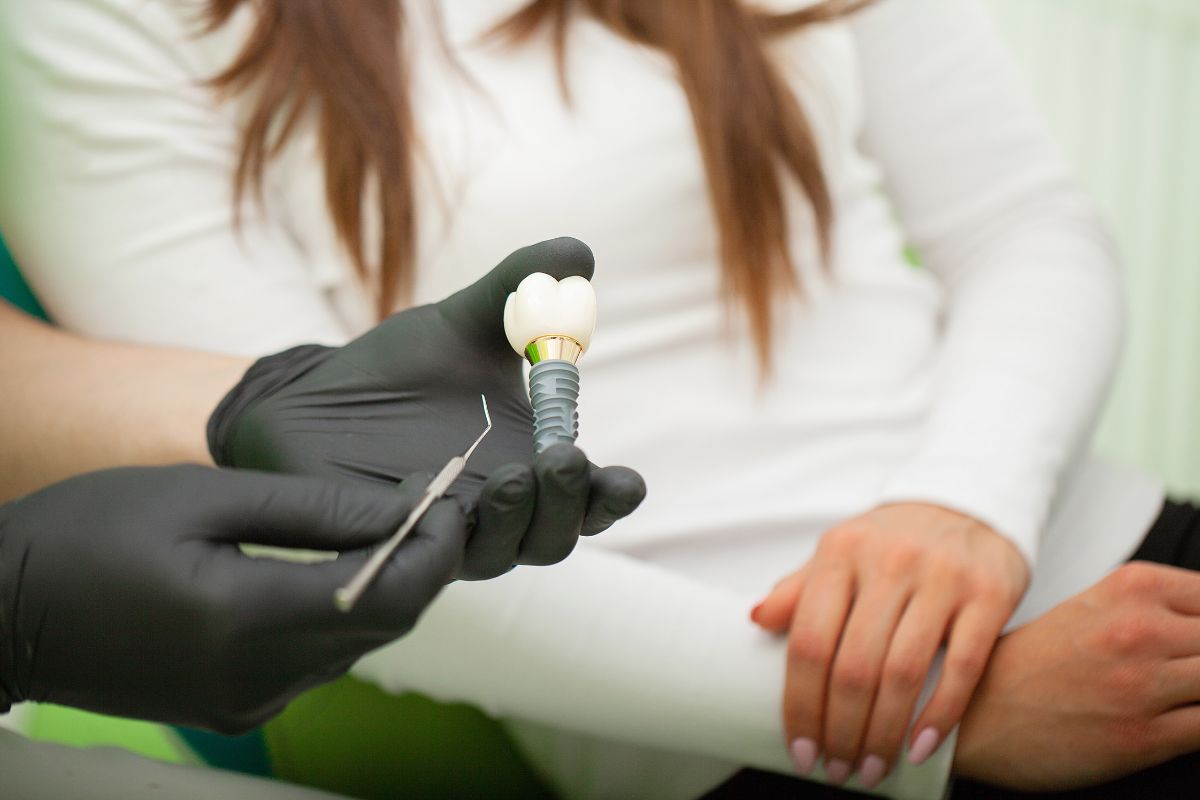
A dental implant is designed to replace the missing tooth root beneath the gums.
Unlike removable options, implants integrate with the jawbone and help maintain bone stimulation during chewing.
Benefits patients often appreciate include:
- Improved chewing stability
- Better bite balance
- Support for jawbone health
- Prevention of nearby tooth shifting
- Natural smile appearance
- Long-term restorative support
For many patients researching why do dental implants matter, the answer often comes down to preserving the health of the mouth — not simply replacing a visible tooth.
Patients comparing long-term tooth replacement options often want to understand the differences between implants and traditional bridges. In many cases, adults prefer solutions that help preserve jawbone support and avoid altering nearby healthy teeth. If you’re exploring the pros and cons of both options, read more about why many adults are choosing dental implants over bridges.
Dental Implant vs Leaving a Missing Tooth Untreated
| Missing Tooth Left Untreated | Dental Implant Support |
| Bone loss may continue | Helps stimulate jawbone |
| Teeth may shift | Maintains spacing |
| Bite imbalance can worsen | Supports bite alignment |
| Chewing may become difficult | Restores function |
| Facial changes may develop | Helps preserve facial structure |
| Oral hygiene may become harder | Easier long-term maintenance |
The Emotional Side of Tooth Loss
Many patients don’t talk openly about how missing teeth affect confidence.
Some begin avoiding photos. Others smile less in social situations or feel self-conscious during conversations.
Even back teeth that are less visible can influence comfort and confidence during meals or speaking.
That emotional impact matters too.
A healthier smile often improves more than appearance — it can affect daily quality of life.
What Patients in San Pedro Commonly Ask About Dental Implants
Patients considering a Dental implant San Pedro consultation often want to know:
- Will the implant look natural?
- How long does treatment take?
- Is bone loss already happening?
- Can implants help after years of missing teeth?
- What if multiple teeth are missing?
- Am I still a candidate for treatment?
These questions are common and completely understandable.
Every patient’s oral health situation is different, which is why a detailed evaluation matters before deciding on treatment.
One of the most common concerns patients have is how long dental implants can realistically last. While every case is different, long-term success often depends on oral hygiene, gum health, and routine dental care. You can learn more about dental implant lifespan, maintenance, and long-term expectations in our detailed guide on how long dental implants really last.
Patient Trust & Experience
Many patients feel hesitant about discussing missing teeth because they worry they waited too long to explore treatment options. That feeling is more common than most people realize.
At Andrew C. Sheng DMD, patients often mention feeling reassured after having honest conversations about their oral health and long-term care options. One Google reviewer, Mark Freedberg, shared:
“The staff is amazing. Dr. Sheng is friendly and knowledgeable. The best in town.”
Reviews like this reflect what many patients value most — feeling comfortable, informed, and supported throughout the process.
Whether someone is dealing with a recent tooth loss or has been living with missing teeth for years, having a caring dental team can make taking the first step feel much easier.
See what local patients are saying through Google reviews and patient experiences.
When It May Be Time to See a San Pedro Implant Dentist
You may want to schedule an evaluation if you notice:
- A missing tooth affecting chewing
- Teeth shifting position
- Increased spacing between teeth
- Jaw discomfort
- Changes in facial appearance
- Difficulty eating certain foods
- Repeated irritation around nearby teeth
Early treatment planning may help prevent more extensive restorative work later.
For patients exploring options with a San Pedro implant dentist, understanding the long-term effects of missing teeth is often the first important step.
Concerned about missing teeth, bite changes, or long-term oral health issues? Call Andrew C. Sheng DMD today to schedule a consultation and learn about your treatment options. Early care may help protect your smile, chewing function, and overall oral health for years to come.
Why Early Action Matters More Than Most People Realize
The longer a tooth remains missing, the more changes can happen beneath the surface.
What feels manageable today can slowly become a more complicated issue later — especially when bone loss, gum disease, or bite changes develop quietly over time.
That doesn’t mean treatment is impossible later. But early evaluation often gives patients more options and may help preserve healthier oral structures.
If you’ve been living with a missing tooth and wondering what could happen over time, this may be the right moment to get professional guidance.
Schedule a Consultation at Andrew C. Sheng DMD
If you have questions about missing teeth, oral health changes, or whether a dental implant may be appropriate for you, the team at Andrew C. Sheng DMD in San Pedro can help you understand your options in a supportive, informative environment.
A consultation today could help prevent more complex dental problems tomorrow.
Frequently Asked Questions
What happens if you leave a missing tooth untreated?
Over time, nearby teeth may shift, the jawbone may shrink, and bite alignment problems can develop. Missing teeth can also increase the risk of gum disease and tooth decay due to changes in oral hygiene access.
Why do dental implants help prevent bone loss?
Dental implants replace the tooth root beneath the gums. This helps stimulate the jawbone during chewing, which may reduce the bone loss commonly seen after tooth extraction.
Can missing teeth affect your face shape?
Yes. Bone loss in the jaw can gradually reduce facial support, which may contribute to a sunken or aged appearance around the mouth and cheeks.
Are dental implants only for cosmetic purposes?
No. While implants improve smile appearance, they also help support oral health, chewing function, and bite stability.
How long after losing a tooth should you consider treatment?
Earlier evaluation is usually beneficial because bone changes can begin soon after tooth loss. However, many patients can still explore restorative options years later.
Can one missing tooth really cause other dental problems?
Yes. Even one missing tooth can lead to shifting teeth, uneven bite pressure, enamel wear, and cleaning difficulties over time.
Is a dental implant permanent?
Dental implants are designed as a long-term tooth replacement option. Their longevity depends on oral hygiene, gum health, and regular dental care.
Who is a candidate for dental implants?
Many adults with healthy gums and adequate jawbone support may qualify. A dental evaluation helps determine the best treatment approach for each patient.